
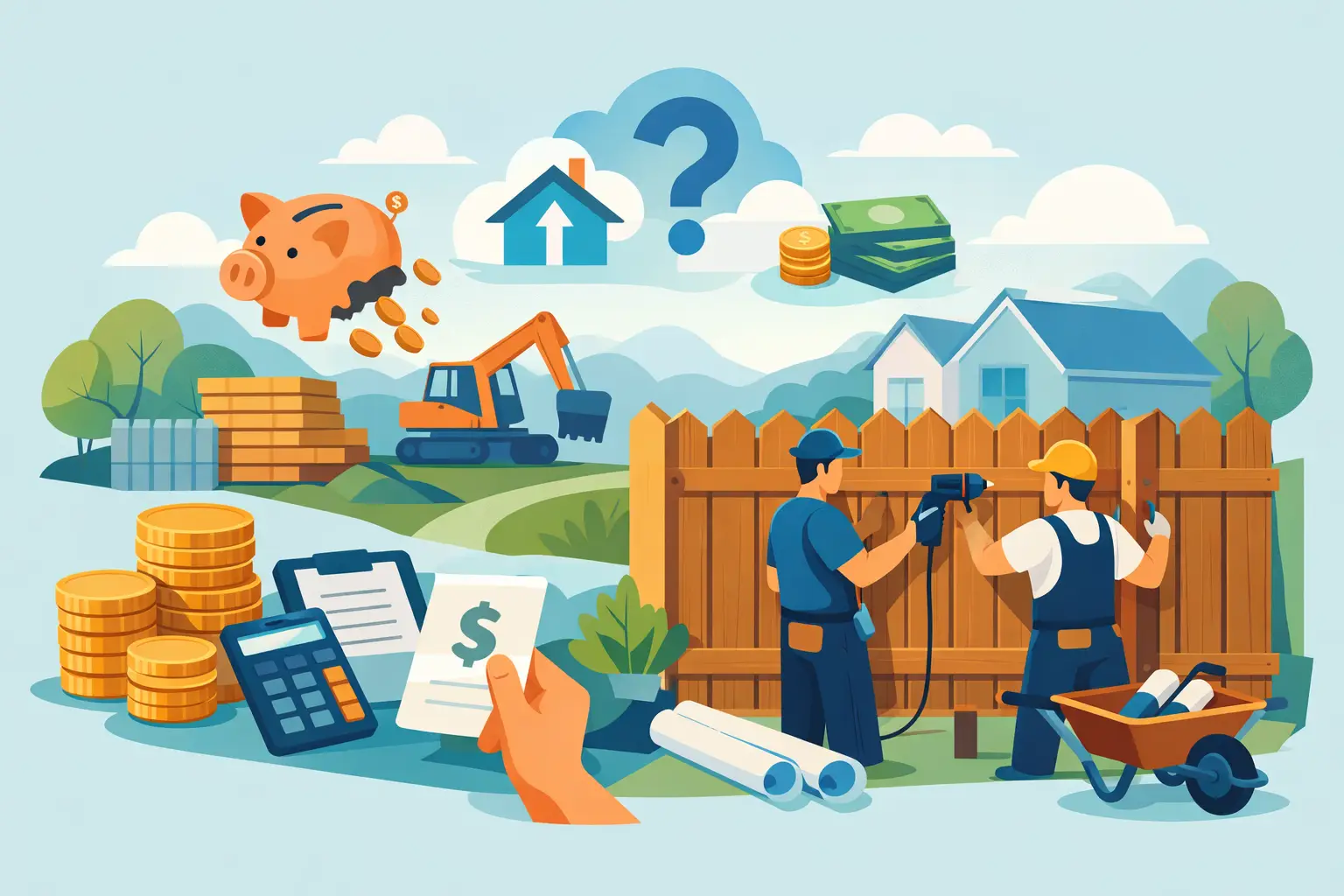
A fence quote can feel straightforward until you see the total. If you have found yourself asking, why is fence installation so expensive, the short answer is that you are paying for much more than posts and panels. You are paying for materials, site prep, skilled labor, equipment, code compliance, and a finished result that needs to stand up to weather, time, and everyday use.
For homeowners in Maryland and the DC area, fence pricing can also reflect local labor rates, permitting requirements, and the realities of working around mature landscaping, slopes, tight lot lines, and established neighborhoods. A professionally installed fence is not a quick weekend project. It is a permanent exterior improvement that affects privacy, security, curb appeal, and property value.
Why is fence installation so expensive compared to the materials alone?
This is one of the biggest misconceptions homeowners run into. The visible fence materials are only one part of the project. Even when the material itself seems affordable on paper, installation adds several layers of cost that are easy to overlook.
The crew has to measure the layout correctly, confirm boundaries, account for gates, mark utilities, dig and set posts at the proper depth, keep lines straight, and make sure the fence is structurally sound. That work takes time, equipment, and experience. If any of it is done poorly, the fence may lean, sag, rack out of square, or fail long before it should.
In other words, the price reflects both the product and the craftsmanship behind it. A quality installation is what turns raw materials into a fence that actually performs the way it should.
Material choice has a major impact
Not all fences cost the same because not all materials perform the same. Wood, vinyl, aluminum, and chain link each come with different price points, maintenance needs, and lifespans.
Wood is often chosen for its natural appearance and privacy, but pricing varies widely depending on the species, board style, and overall design. Pressure-treated pine may cost less upfront than cedar, but the long-term maintenance picture is different. Vinyl typically costs more at the start, yet many homeowners prefer it because it offers a clean appearance and lower maintenance over time.
Aluminum fencing is another good example of where upfront cost can surprise people. It is often more expensive than chain link or basic wood options, but it delivers a polished look, strong durability, and very little maintenance. If you are comparing estimates, the cheapest material may not be the best value once repairs, staining, sealing, or replacement are factored in.
Labor is a real part of the investment
A professional fence crew does not simply put pieces together. They solve field problems in real time while protecting the quality of the finished project.
Post installation alone is labor-intensive. Crews may encounter heavy clay, roots, old concrete, hidden debris, or uneven grade. Removing old fencing adds another layer of time and disposal cost. Gates must be installed carefully so they swing properly and stay aligned, which matters even more on sloped or irregular terrain.
Experienced labor costs more than cut-rate labor, and for good reason. Homeowners are often not just paying for hours worked. They are paying for fewer mistakes, better durability, cleaner workmanship, and a smoother overall project.
Terrain and property conditions can change everything
Two homes may need the same linear footage of fence and still receive very different quotes. The reason is often the site itself.
A flat, open yard is usually simpler and faster to fence than a yard with steep slopes, tree roots, drainage issues, tight access, or existing hardscape features. If installers need to work around retaining walls, patios, gardens, sheds, or mature trees, the labor becomes more complex. Tight urban or close-in suburban lots can also make it harder to move materials and equipment efficiently.
This is one reason free in-home estimates matter. Fence pricing is not only about the length of the fence. It is about what it takes to build it correctly on your specific property.
Permits, codes, and property lines add cost and protection
Homeowners sometimes see permit fees or layout work as unnecessary extras, but they are part of doing the job responsibly. Local jurisdictions often have rules about fence height, placement, style, and setback requirements. HOA communities may have their own approval standards as well.
Then there is the issue of property lines. Installing a fence even slightly in the wrong location can create expensive problems with neighbors or require removal and reinstallation. Reputable contractors take time to verify placement, discuss access, and flag issues before work begins.
That planning has value. It helps protect your investment and reduces the chance of costly disputes later.
Gates, custom details, and upgrades increase the total
Most fence projects are not just a straight run of panels. Homeowners often need one or more gates, and gates are usually among the most detail-sensitive parts of the project.
A gate needs proper support, hardware, alignment, and clearance. Wider gates, double gates, decorative tops, custom spacing, heavier frames, and specialty hardware all add to the final price. The same goes for premium finishes, privacy upgrades, and branded materials designed for longer life or a more refined look.
These additions are not unnecessary. They simply reflect the fact that a fence is often both a functional structure and a visible part of the home’s exterior design.
Why is fence installation so expensive in some neighborhoods?
Location plays a bigger role than many people expect. In areas like Montgomery County, Howard County, and Washington, DC, labor rates, permit costs, transportation, and disposal fees can all run higher than in less expensive markets.
Established neighborhoods can also create more complicated job conditions. Older lots may have irregular boundaries, mature trees, previous fence footings buried underground, or limited access for equipment. In denser communities, crews may need to be especially careful about nearby homes, landscaping, shared lines, and local restrictions.
That does not mean the price is inflated. It usually means the contractor is pricing the actual conditions required to complete the job properly and professionally.
Cheap fence installation often becomes expensive later
It is fair to want a competitive price. Every homeowner should. But there is a big difference between fair pricing and corner-cutting.
Low bids often leave out part of the real scope. Posts may be set too shallow. Inferior materials may be substituted. Old fence removal may not be included. Gate hardware may be lower grade. The crew may rush through layout or ignore site issues that should have been addressed before installation.
The result is a fence that may look acceptable on day one and start failing much sooner than expected. Repairs, rework, and early replacement erase any initial savings quickly. A better-built fence costs more upfront because it is meant to last.
What homeowners are really paying for
When you step back, fence installation is expensive because it combines construction labor, exterior materials, design decisions, and long-term performance into one project. A good fence needs to be straight, secure, code-conscious, visually consistent, and durable enough to handle years of weather and use.
That is why the best fence companies do more than deliver a number. They walk the property, explain the options, account for the site conditions, and give you a realistic picture of what the project will involve. For many homeowners, that guidance is just as valuable as the materials themselves.
A family-run contractor with strong local experience also brings something harder to measure but easy to appreciate once the work starts – accountability. When a company stands behind its workmanship, communicates clearly, and treats your property with care, the higher quote often makes more sense.
How to judge whether a fence quote is worth it
Instead of asking only whether the total is high, it helps to ask what is included. A useful quote should make clear the fence type, material quality, scope of removal, gate details, installation method, and any site-specific challenges. It should also reflect whether the contractor has the experience to handle the job cleanly and correctly.
That is where homeowners often see the difference between a basic price and a real investment. Trusted contractors are not just selling footage. They are delivering peace of mind, stronger curb appeal, and a finished project you do not have to second-guess.
If your estimate seems higher than expected, that does not automatically mean it is overpriced. It may mean the company has taken the time to price the project honestly. For homeowners who want a fence that looks right, lasts, and adds real value to the property, that kind of transparency is worth paying for.
If you are comparing options, the smartest next step is not to chase the lowest number. It is to look for the clearest proposal, the best workmanship, and a team you would trust in your backyard.