
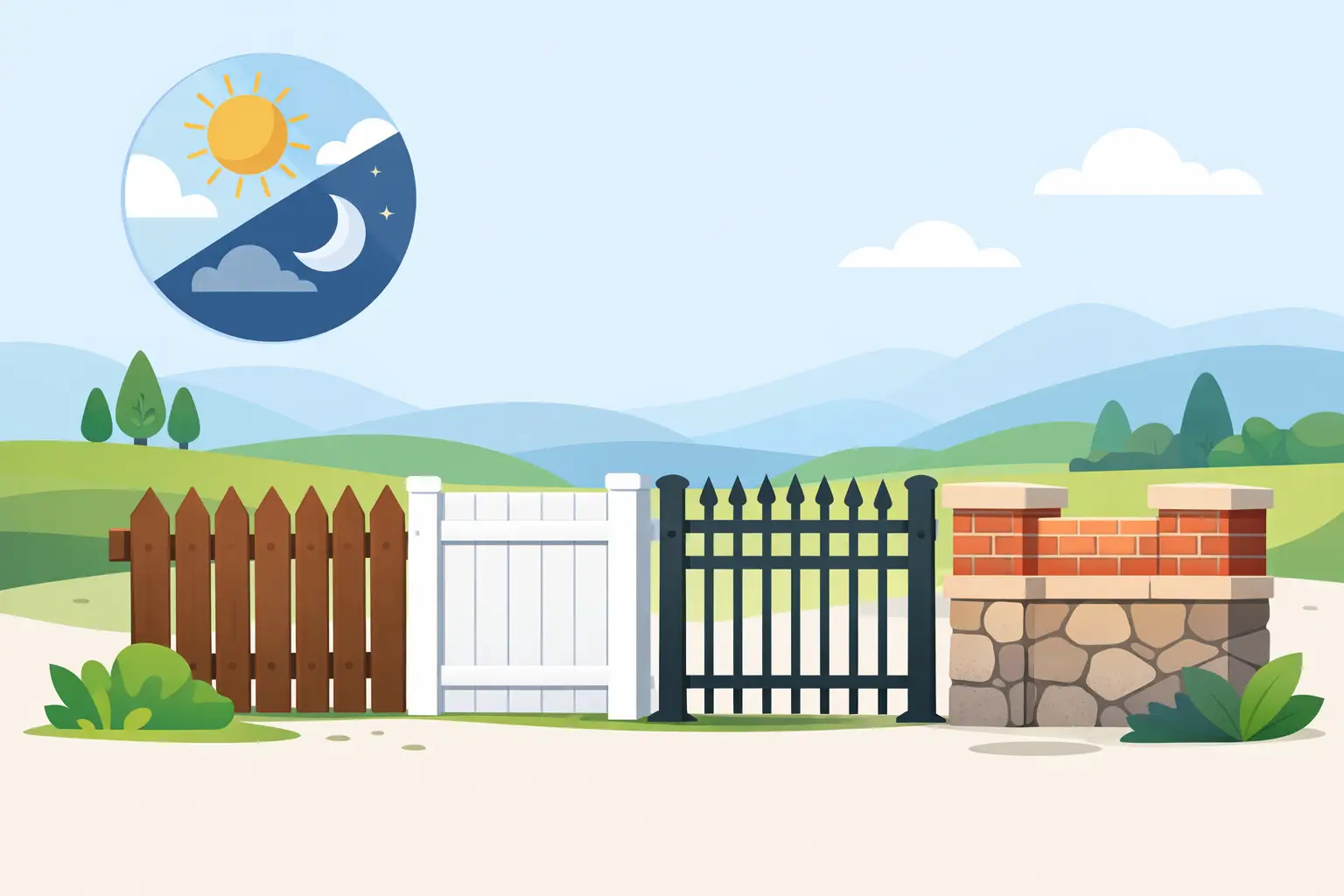
A fence can look solid from the street and still be a few seasons away from major repairs. That is why homeowners often ask, how long do fences last? The honest answer depends on the material, the quality of installation, and how well the fence handles local weather, drainage, and daily wear.
In Maryland and the Washington, DC area, fences deal with humid summers, soaking rains, winter freeze-thaw cycles, and shifting soil. Add sprinkler spray, tree roots, pets, and backyard traffic, and fence life becomes less about a simple number and more about how the system was built from the ground up. A well-installed fence made from quality materials can hold up for many years. A poorly installed one can start leaning, rotting, or loosening much sooner than expected.
How long do fences last in real conditions?
Most fences fall into a lifespan range rather than a single fixed timeline. Wood fences often last around 10 to 20 years, depending on the species, maintenance, and exposure to moisture. Vinyl fences commonly last 20 to 30 years or longer when installed correctly. Aluminum and ornamental metal fences can last decades, often 30 years or more, with relatively low maintenance. Chain link usually holds up for 15 to 25 years, though the coating, gauge, and environment matter.
Those numbers are helpful, but they only tell part of the story. Fence posts, fasteners, gates, and footings often fail before the panels themselves. In many replacement projects, the issue is not that the whole fence material wore out evenly. It is that one weak point, usually water damage, poor post setting, or gate sag, started affecting the entire structure.
Fence lifespan by material
Wood fences
Wood remains one of the most popular options because it delivers privacy, warmth, and classic curb appeal. It is also the material with the widest lifespan range. A pressure-treated pine fence may perform well for 12 to 15 years, while higher-grade cedar can often last longer with proper care.
The biggest factor with wood is moisture. Posts set improperly or boards exposed to constant damp conditions tend to rot from the bottom up. Sun exposure also matters. Over time, wood dries, cracks, twists, and fades. Maintenance can extend the life of a wood fence, but wood asks more from the homeowner than vinyl or aluminum.
That trade-off is worth it for many families. If privacy and a natural appearance are top priorities, wood is still a strong choice. It just pays to go in with realistic expectations about upkeep.
Vinyl fences
Vinyl is a favorite for homeowners who want a clean look and less maintenance. It will not rot, it does not attract insects, and it does not need staining. In many cases, vinyl fencing lasts 20 to 30 years and keeps its appearance with simple washing.
That said, not all vinyl is created equal. Lower-quality products can become brittle or discolor over time. Installation also matters more than some homeowners realize. If posts are not set correctly, strong winds or ground movement can stress panels and rails. A quality vinyl fence from a recognized manufacturer, installed by an experienced contractor, tends to perform much better over the long run.
Aluminum and ornamental metal fences
For homeowners focused on durability, security, and a more refined appearance, aluminum and ornamental metal are hard to beat. These fences can last 30 years or more because they resist rot, insect damage, and many of the issues that affect wood.
Powder-coated finishes help protect against corrosion, which is especially important in areas with regular rain and seasonal weather swings. Aluminum also tends to require less maintenance than steel while still offering a polished, upscale look. For front yards, pools, and decorative perimeter fencing, it is often one of the longest-lasting investments you can make.
Chain link fences
Chain link is practical, cost-effective, and usually built to last. Galvanized and coated chain link fences often perform for 15 to 25 years. In some cases, they can go longer if the framework remains sound and rust stays under control.
The lifespan depends on the thickness of the metal, the protective coating, and how exposed the fence is to standing water or soil issues. Chain link is not usually chosen for high-end curb appeal, but for dependable boundary definition and pet containment, it remains a durable option.
What makes a fence wear out faster?
When homeowners ask how long do fences last, they are often really asking what causes fences to fail early. In our region, water is the biggest culprit. Poor drainage around posts can shorten the life of almost any fence. If water collects near the base, even good materials will struggle over time.
Installation quality is another major factor. Posts need proper depth, spacing, and support. Gates need reinforcement and careful alignment. If those details are rushed, the fence may look fine at first but start shifting within a few years. This is why the contractor matters just as much as the material.
There is also the issue of use. A fence around an active family backyard gets more wear than one along a side property line. Dogs pushing against panels, kids opening and closing gates all day, lawn equipment bumping the base, and vines trapping moisture can all shorten fence life.
Then there is maintenance. Even low-maintenance materials are not no-maintenance materials. Dirt buildup, loose hardware, and neglected gate adjustments can slowly turn small issues into expensive repairs.
Signs your fence is nearing the end
A fence does not need to be completely collapsed to be at the end of its useful life. Leaning sections, loose posts, widespread rot, cracked rails, rusted hardware, and gates that no longer close properly are all signs that the structure may be failing.
Appearance matters too. If the fence is heavily warped, discolored, or visibly deteriorating, it may be hurting curb appeal more than helping it. For many homeowners, the decision comes down to whether repairs will truly solve the problem or just delay replacement.
A few isolated repairs can make sense on an otherwise healthy fence. Replacing one post or rehanging a gate is very different from patching multiple sections year after year. Once repair costs start stacking up, replacement often becomes the better long-term value.
Repair or replace?
This is where experience matters. If the posts are solid and the damage is limited to a few boards, pickets, or rails, repair may be the practical option. If the fence has systemic issues, like widespread post failure, advanced rot, or repeated movement, replacement is usually the smarter investment.
Homeowners sometimes hesitate because replacement feels like a bigger upfront decision. But a new fence installed with the right materials and proper workmanship can save money, hassle, and frustration over time. It also gives you a chance to improve function, whether that means more privacy, better security, smoother gate access, or a style that better fits the home.
For many properties, fence replacement is also part of a larger exterior upgrade. When the fence, gate, patio, or retaining wall all work together, the result is not just a boundary. It is a more usable and better-looking outdoor space.
How to get the longest life from a new fence
Start with the right material for the property, not just the lowest upfront cost. A backyard that needs privacy may point toward wood or vinyl. A front yard or pool area may be better suited to aluminum. The best choice depends on goals, budget, maintenance preferences, and site conditions.
Next, pay attention to drainage and layout. Even the highest-quality fence can fail early if it is installed in poor conditions without addressing grade or water runoff. This is one of the biggest advantages of working with a full-service outdoor contractor instead of treating the fence as a stand-alone product.
Finally, choose workmanship you can trust. Quality materials from respected brands matter, but so do the unseen details, like post depth, spacing, hardware selection, and gate construction. At A-1 Fencing, that is where award-winning craftsmanship makes a real difference for homeowners who want lasting value instead of short-term fixes.
A fence should do more than mark a property line. It should give your home privacy, safety, structure, and a finished look you can count on year after year. If your current fence is showing its age or you want to invest in one that is built to last, the smartest next step is a professional evaluation based on your property, your goals, and the way your outdoor space is actually used.