
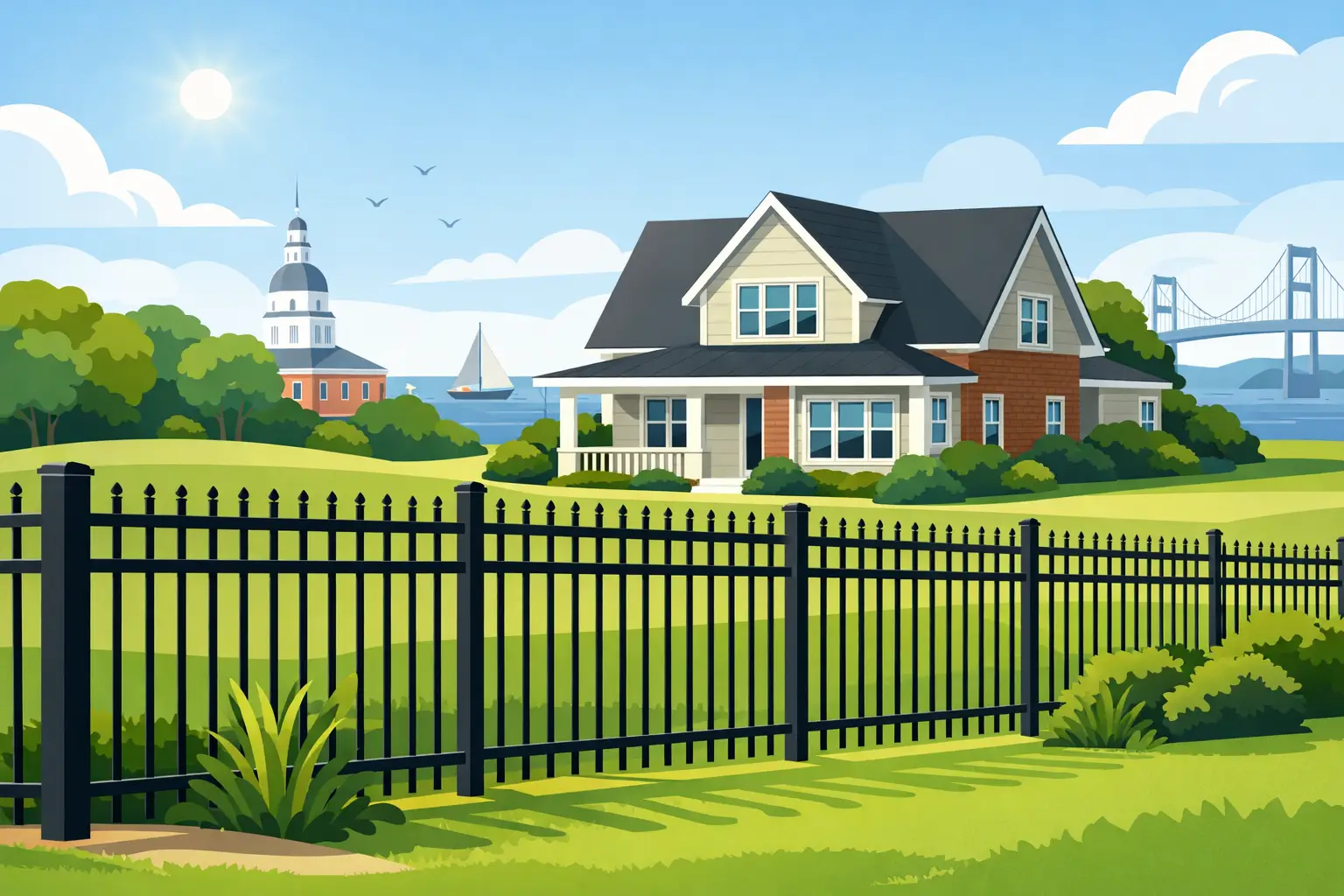
A fence has to do more than mark a property line. For many Maryland and Washington, DC homeowners, it needs to keep children and pets safely contained, meet pool-code requirements, complement the home, and still look good after years of rain, summer humidity, and winter freeze-thaw cycles. That is where aluminum fence benefits stand out. Aluminum delivers the open, refined look many homeowners want without the regular upkeep associated with wood or the industrial appearance some people associate with chain link.
It is also a practical choice for properties where the view matters. Whether your backyard overlooks a landscaped patio, a wooded lot, or a community common area, an aluminum fence creates a clear boundary without making the space feel closed in.
Aluminum Fence Benefits That Matter Long Term
The strongest case for aluminum is not one feature alone. It is the way durability, appearance, safety, and maintenance work together over the life of the fence.
It resists rust, rot, and insect damage
Unlike steel, quality aluminum does not rust. Unlike wood, it cannot rot, warp from moisture, or become vulnerable to termites and other insects. That difference matters in the Mid-Atlantic, where wet springs, humid summers, and changing winter temperatures can be hard on exterior materials.
Most quality aluminum fencing is finished with a durable powder coating that helps protect the surface from fading, chipping, and ordinary weather exposure. Homeowners still should wash away dirt, grass clippings, and pollen from time to time, but they are not signing up for the staining, sealing, or repainting schedule that often comes with a wood fence.
No fence material is completely maintenance-free. A gate may eventually need an adjustment, and a fence can be damaged by a fallen branch or a vehicle. But routine care for aluminum is generally simple and predictable, which is a major advantage for busy households.
It adds polished curb appeal without blocking the yard
Aluminum fencing has a clean, architectural appearance that works with many home styles. Traditional black is a popular choice because it frames landscaping and outdoor spaces without competing with them, though other colors and decorative details may be available depending on the system selected.
The open picket design lets light and sightlines move through the fence. That can make a smaller yard feel more spacious and allows you to keep an eye on children, pets, or activity around the pool from the house or patio. It also gives neighbors a less imposing view than a tall solid fence.
For homeowners planning a broader exterior project, this visual flexibility is valuable. Aluminum can pair naturally with a paver patio, retaining wall, deck, front walk, or outdoor living area. The fence becomes part of the property design instead of an afterthought installed around it.
It provides dependable safety around pools and play areas
A properly designed and installed aluminum fence is an excellent option for pool enclosures, especially when local requirements call for a specified fence height, self-closing gate, self-latching hardware, and controlled access. Its open design makes it easier to monitor the pool area, while the fence and gate establish a clear physical barrier.
The same principle applies to a backyard play space or pet area. An aluminum fence can help define where children and dogs can safely roam without visually separating the household from the rest of the yard. Gates can be placed for convenient access from a driveway, deck, side yard, or patio.
Pool and fence rules can vary by jurisdiction and property conditions. A professional consultation should account for local code requirements, gate operation, grade changes, and any special safety needs before the installation begins.
It handles sloped ground better than many homeowners expect
Many properties in Maryland and DC do not have perfectly level yards. Aluminum fence systems can often rack, meaning the panels follow the slope of the ground rather than creating large stepped gaps below each section. This creates a more finished appearance and helps keep small pets from finding an easy way out.
Very steep or uneven terrain may require a different layout, custom transitions, retaining work, or carefully planned stepped sections. That is why an on-site measurement is more useful than choosing a fence based only on a photo. The right approach depends on the grade, drainage, landscaping, and the purpose of the enclosure.
When an Aluminum Fence Is the Right Fit
Aluminum is especially well suited to homeowners who value visibility, low maintenance, and an upscale look. It is often a smart choice for front-yard boundaries, pool areas, rear yards with attractive views, and homes in communities where fence appearance is closely regulated.
It may not be the best answer for every goal. If complete backyard privacy is the priority, a vinyl privacy fence or a properly built wood privacy fence is usually more appropriate. If you need the lowest possible upfront price for a large area, chain link may cost less. And if you need a very high-security perimeter, a heavier commercial-grade solution may be necessary.
That is not a drawback of aluminum so much as a reminder to select a fence around how you actually use your property. A good fence should solve the right problem, not simply fill a line on a site plan.
Design Details That Affect Performance and Price
Not all aluminum fences are built to the same standard. Fence height, rail configuration, picket spacing, post size, gate width, ornamental accents, and the complexity of the terrain all affect the final design and investment.
A pool enclosure may need a specific height and gate setup. A dog owner may want closer picket spacing or a bottom rail arrangement that reduces gaps. A homeowner with a wide driveway may need a double gate, while someone with a decorative front-yard application may prefer finials or a more formal style.
Installation quality is equally important. Posts need to be set at the correct depth and alignment, panels must be properly secured, and gates must swing, latch, and self-close as intended. Poor layout or loose gate hardware can undermine the performance of even the highest-quality materials.
At A-1 Fencing, the planning process begins with understanding how the fence will serve your home. A free in-home consult and estimate gives homeowners the opportunity to discuss material options, layout, access points, budget, and the larger outdoor vision before work is scheduled.
Questions to Ask Before Choosing Aluminum Fencing
Before approving a fence design, consider how the property will be used five or ten years from now. Are you planning a pool? Will a new patio, retaining wall, or deck change the way people move through the yard? Do you need room for lawn equipment or access to a utility area? These details can influence gate placement and fence layout significantly.
It is also wise to verify property lines, review homeowners association guidelines where applicable, and discuss permit or code requirements. A fence that looks great on paper can become costly to revise if it conflicts with an easement, setback, or required pool-safety detail.
A carefully planned aluminum fence brings more than a polished border to the yard. It gives your family a defined, dependable outdoor space that is ready for everyday life, from quiet evenings on the patio to busy weekends around the pool.