
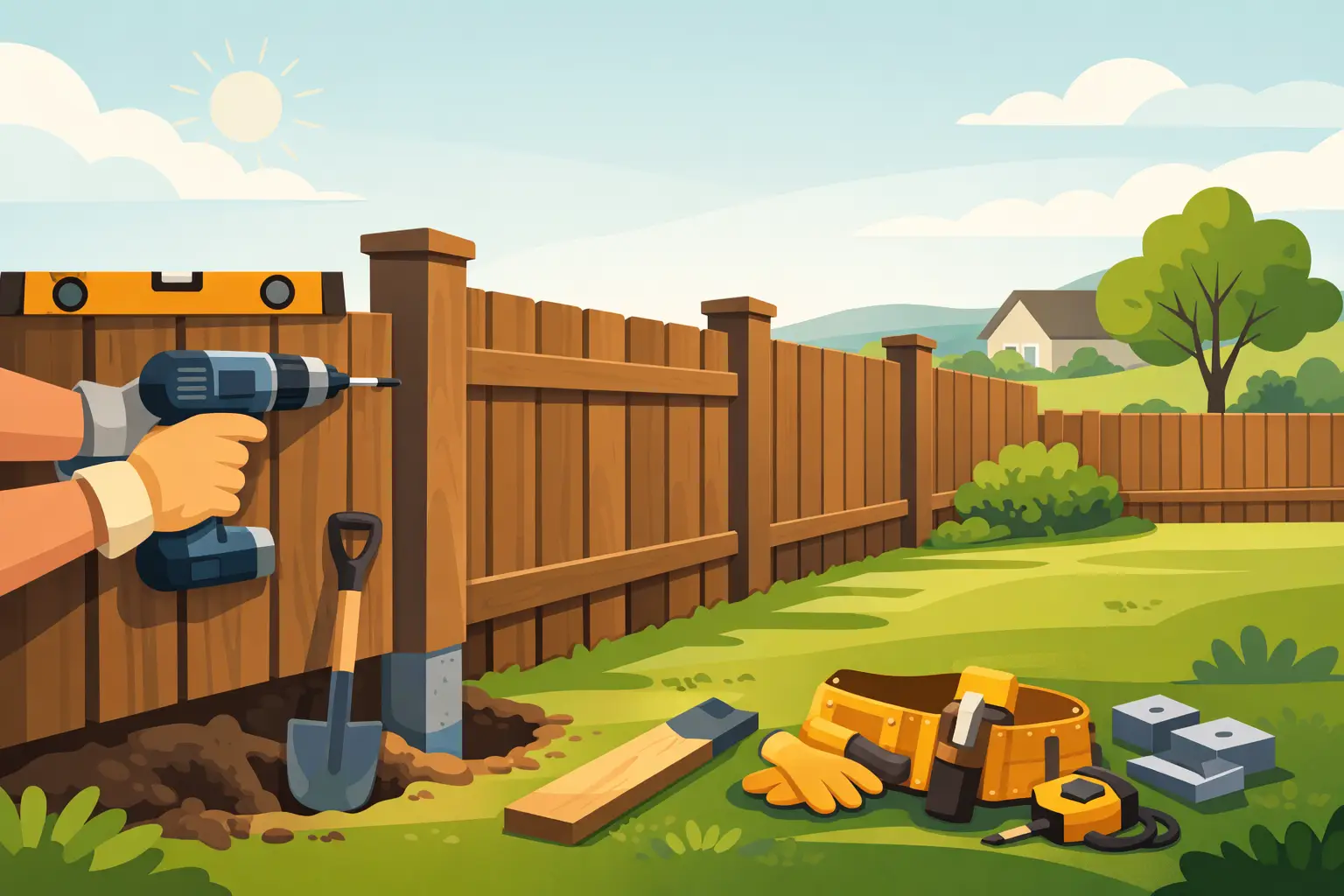
A backyard fence installation is more than a line around your property. It can give children and pets a safer place to play, make a patio feel more private, define a new outdoor living area, and add a finished look that supports your home’s value. The difference between a fence that performs for years and one that starts leaning, warping, or disappointing you often comes down to the planning and workmanship behind it.
For homeowners in Maryland and the Washington, DC metro area, the right choice depends on your goals, your property conditions, local requirements, and the amount of upkeep you want to take on. A professional installation helps bring those decisions together before crews ever set a post.
Start With the Purpose of Your Fence
The best fence is not simply the tallest or most expensive option. It is the one designed around how you use your backyard. A family with an active dog may prioritize secure gates and a durable enclosure. A homeowner building a patio or fire pit area may want privacy screening that makes the space feel more comfortable. Others want a clean boundary fence that improves curb appeal without blocking a neighborly view.
Privacy is one of the most common reasons to install a fence, but privacy needs vary. A six-foot solid vinyl or wood fence can create a more secluded setting, while a semi-private style allows light and airflow through narrow openings. If your yard borders a busy road, a solid fence may improve visual separation, though it should not be treated as a complete sound barrier.
Safety and containment deserve the same careful consideration. Pool areas have specific code requirements, and a fence for pets needs a layout with no easy gaps at the bottom or weak points around the gate. If security is a concern, ornamental aluminum or steel fencing can provide visibility and strength, while a well-designed gate and reliable latch add practical control over access.
Choose a Material That Fits Your Property
Fence materials each offer a different balance of appearance, maintenance, durability, and upfront cost. There is no one material that works best for every Maryland or DC-area home.
Vinyl for Low-Maintenance Privacy
Vinyl fencing is a popular option for homeowners who want a clean, polished appearance without regular staining or painting. It is available in privacy, semi-private, picket, and ranch-rail styles, with colors and textures that can complement both traditional and newer homes.
Quality matters with vinyl. A properly installed fence uses sturdy posts, reinforced rails where needed, and components designed to handle seasonal temperature changes. Lower-grade materials can become brittle or show more movement over time. A professional can help you compare profiles and construction rather than choosing solely by color or initial price.
Wood for a Traditional, Custom Look
Wood fencing remains a strong choice when you want warmth, flexibility, and a classic residential look. It can be built in board-on-board, shadowbox, stockade, picket, and custom styles. Wood also works well on yards with unusual angles or when a homeowner wants a fence that can be painted or stained to match the house.
The trade-off is maintenance. Wood is exposed to sun, moisture, insects, and seasonal movement. High-quality lumber, properly set posts, and the right finishing schedule can extend its useful life, but it will require more attention than vinyl or aluminum. It is a worthwhile option for homeowners who value its natural character and are prepared to maintain it.
Aluminum and Steel for Strength and Open Views
Ornamental aluminum fencing delivers a refined appearance with open sightlines. It is especially well suited to pools, sloped properties, landscaped gardens, and homes where you want a defined boundary without making the yard feel closed in. Aluminum does not rust, making it an appealing low-maintenance choice.
Steel fencing offers additional strength and can be an excellent fit when security and long-term performance are top priorities. Both options can be paired with gates that match the fence design, helping the entire property feel intentional rather than pieced together.
Composite and Specialty Options
Composite fencing can offer privacy with a distinctive finished look and reduced maintenance needs. It may cost more upfront than some alternatives, but its appearance and durability can make sense for homeowners creating a high-end outdoor living space. The right recommendation depends on your budget, design goals, exposure to sun, and the other materials already present in your yard.
Plan the Layout Before Installation Begins
A successful backyard fence installation starts with a careful site review. Property lines should be confirmed before the layout is finalized. Existing survey markers can be helpful, but when there is uncertainty, a current survey or professional boundary confirmation is the safest route. Installing a fence even slightly over a property line can create an expensive and unnecessary dispute.
Local zoning rules, homeowners association requirements, and permit obligations can affect fence height, location, style, and placement near streets or corners. Requirements can differ from one municipality or neighborhood to another. A knowledgeable contractor helps identify what applies to your project so that the finished fence is built with fewer surprises.
Your yard itself also affects the design. Slopes, drainage paths, mature trees, buried utilities, retaining walls, and patio elevations all need to be considered. A fence on a steep grade may need to rack with the slope or step down in sections. Neither approach is automatically better. Racking can follow the terrain more closely, while stepping may suit certain fence styles and sites. The right method should look balanced and maintain appropriate clearance at the ground.
Gate placement deserves special attention. Think about how you move through the yard today and how you expect to use it later. A wide gate can make room for lawn equipment, a future patio project, or access for service work. A side gate near the driveway may be convenient, while a second gate can provide a useful exit from a pool or garden area.
Why Installation Quality Makes the Difference
A beautiful fence begins to fail when its foundation is weak. Posts must be set at appropriate depths for the location and fence type, aligned correctly, and secured to resist movement. Rails, panels, hardware, and gates must all be installed with consistent spacing and proper support.
Gates are often the first place poor workmanship becomes visible. A gate that is too heavy for its hardware, lacks adequate post support, or is not adjusted correctly can sag and drag. Professional installers account for the gate opening, swing direction, hardware, and expected daily use from the start.
Site protection matters, too. Homeowners should expect a contractor to work carefully around landscaping, identify utility locations before digging, keep the work area organized, and leave the property in good condition. The job is not complete just because the last panel is in place. A final walkthrough should confirm that gates operate properly, lines look straight, and the finished fence meets the agreed design.
Pair Your Fence With the Rest of Your Backyard
A fence can be the starting point for a more usable exterior space. When planned alongside a new deck, patio, retaining wall, walkway, or fire feature, it can create better privacy, clearer traffic flow, and a more cohesive design. This is particularly helpful for homeowners making a larger investment in their backyard instead of completing isolated projects over several years.
For example, a privacy fence can frame a new paver patio, while ornamental fencing can safely define a pool area without hiding landscaping. A well-positioned gate can connect a driveway to a side walkway or make access easier to a future outdoor kitchen. Planning these relationships early can avoid having to alter a newly installed fence later.
Get Clear Answers Before You Commit
Before selecting a contractor, ask how they handle permits, property-line questions, utility marking, gate construction, material options, and cleanup. You should receive straightforward pricing and understand what is included in the proposal. The lowest number is not always the best value if it leaves out stronger posts, reliable hardware, proper site preparation, or the service needed to stand behind the work.
A-1 Fencing provides free in-home consults and estimates for homeowners who want experienced guidance from a family-run, award-winning outdoor contractor. Financing options can also make it easier to begin a fence project alongside other exterior improvements without compromising on materials or workmanship.
Your backyard should feel like part of your home, not an unfinished edge of it. With a fence designed for the way you live and installed with care, every season outside can feel more private, secure, and inviting.