
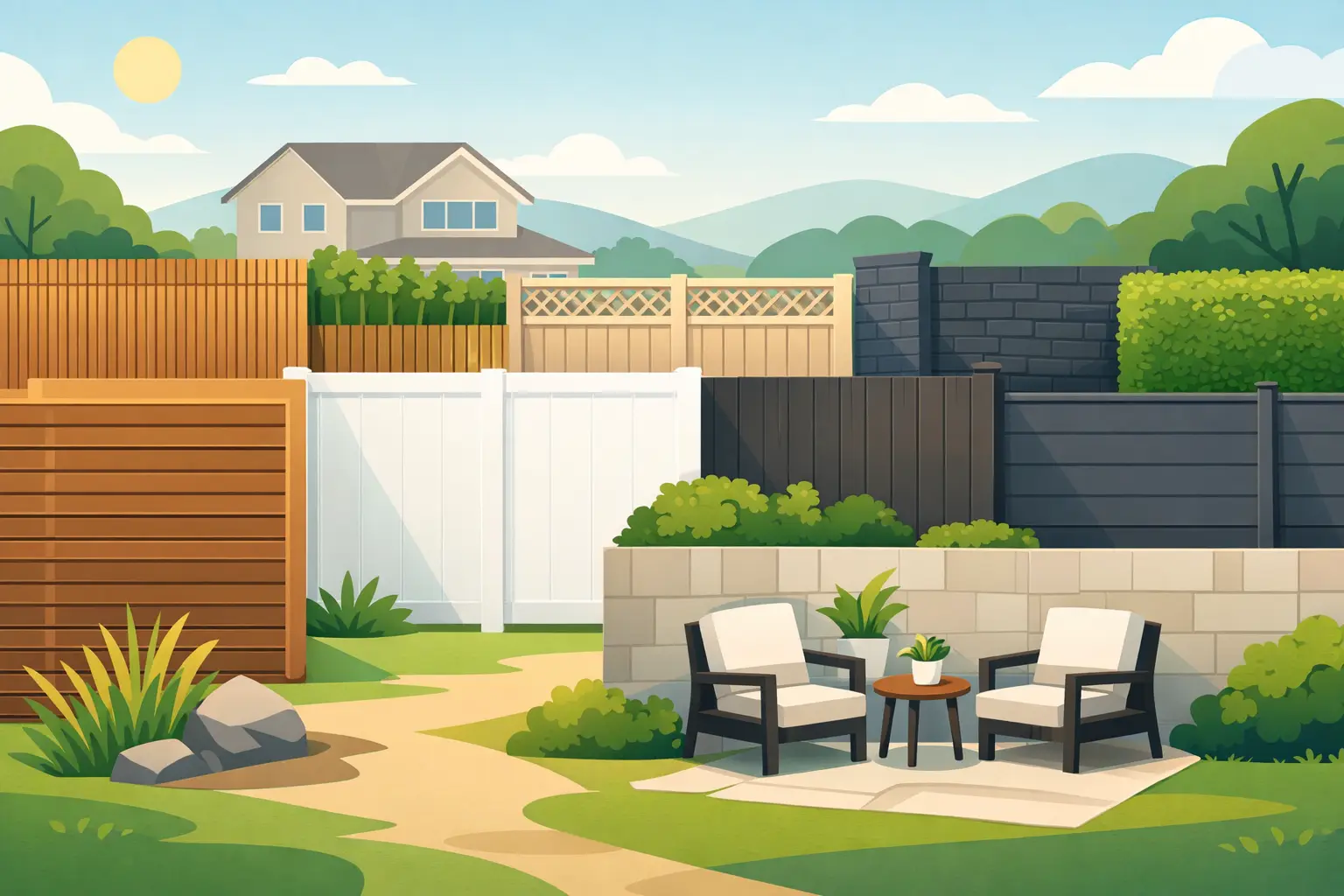
A backyard should feel like part of your home, not like a room with an open wall facing the neighbors. Whether you are creating a safer play space, screening a patio, or simply enjoying dinner outside without feeling exposed, choosing among the best fence styles for privacy comes down to more than picking the tallest panel available.
The right fence needs to suit your property lines, architecture, maintenance preferences, local regulations, and the way you use your outdoor space. For homeowners in Maryland and Washington, DC, material performance also matters. Humid summers, winter freeze-thaw cycles, and mature tree cover can all affect how a fence looks and holds up over time.
What Makes a Privacy Fence Work Well?
A true privacy fence generally has little to no space between boards, pickets, or panels. Most homeowners choose a height of 6 feet, which provides meaningful screening while fitting many residential zoning rules. However, allowable height can vary by municipality, HOA, and whether the fence sits along a side, rear, or front property line. A professional site evaluation helps prevent an attractive project from becoming a costly correction.
Privacy is not only about blocking a direct view. The best designs also consider sightlines from a neighboring deck, an elevated road, or windows on a nearby home. A fence may need to be taller in one section, paired with landscaping, or designed with a decorative top that adds screening without making the yard feel closed in.
Durability matters just as much. A low-cost fence that begins leaning, warping, or fading after a few seasons is rarely a good value. Quality posts, proper footings, secure gates, and experienced installation are what turn good materials into a fence that performs for years.
1. Solid Wood Privacy Fencing
Wood remains one of the most popular choices for homeowners who want a classic, substantial backyard fence. A solid board fence can be built in several styles, including stockade, board-on-board, shadowbox with minimal gaps, and modern horizontal layouts. It can also be stained or painted to complement a deck, patio, or home’s exterior trim.
For maximum privacy, a solid vertical-board design is a dependable choice. Board-on-board fencing is particularly useful where boards may naturally shrink over time, because the overlapping construction helps keep sight gaps from developing. This style also offers an attractive finished appearance from both sides of the property line.
Wood’s strength is flexibility. It can follow sloped terrain, accommodate custom gate designs, and be tailored to a more traditional or more contemporary home. The trade-off is upkeep. Wood needs periodic staining or sealing, and it can be vulnerable to moisture, insects, and warping if it is not properly selected and installed. Homeowners who love the warmth of real wood often find the maintenance worthwhile.
2. Vinyl Privacy Fencing
Vinyl fencing offers a clean, polished look with far less maintenance than wood. Solid vinyl panels are available in white, tan, gray, and other colors, with options ranging from simple flat-top designs to decorative lattice or spindle accents. Because the panels are opaque, they provide immediate, consistent privacy.
For busy families and homeowners who do not want to spend weekends repainting a fence, vinyl is an appealing option. It does not rot, require staining, or attract insects. Routine cleaning is generally enough to keep it looking fresh.
The key is choosing a high-quality product and a qualified installer. Lower-grade vinyl can become brittle in severe cold, discolor over time, or feel less substantial. Properly reinforced posts and carefully installed gates are especially important, since heavy gates can put stress on a fence system. Vinyl also has a more uniform appearance than wood, which some homeowners prefer and others find less natural.
3. Composite Privacy Fencing
Composite fencing is an excellent choice for homeowners who want the visual depth of wood without the regular maintenance demands. Made from a blend of recycled materials and polymers, quality composite fencing resists rot, insects, splitting, and many of the moisture-related problems associated with traditional wood.
Many composite systems come in rich, blended colors that resemble stained lumber. They work especially well beside premium decks, hardscapes, and outdoor kitchens, where a standard white vinyl fence may not match the overall design. A darker composite fence can create a striking backdrop for landscaping, lighting, and outdoor fireplaces.
Composite typically costs more upfront than basic wood or vinyl, but its long-term maintenance requirements can make it a smart investment. Homeowners should keep in mind that darker colors may show dust or pollen more readily, and not every system is equally suited to every slope or custom layout. Product selection and installation details make a real difference.
4. Horizontal Privacy Fencing
Horizontal fencing is a design style rather than one specific material. It can be built from wood, composite, aluminum-framed boards, or other engineered systems. With long, clean lines, it brings a modern architectural feel to a backyard and can make a narrower space appear wider.
A horizontal fence can be constructed with tightly spaced boards for full privacy or with controlled gaps for a more open, contemporary effect. If screening is the priority, make sure the design accounts for board movement and the view from nearby properties. Wide gaps may look great in a project photo but will not provide the privacy many homeowners expect.
This style is often best when it is thoughtfully integrated with the rest of the outdoor space. For example, horizontal fencing can complement a modern deck railing, a paver patio, or a sleek gate with black hardware. Because the layout and framing need to stay straight and secure across long spans, craftsmanship is essential.
5. Lattice-Top Privacy Fencing
Lattice-top fencing combines a solid lower section with an open decorative panel at the top. It is a good solution when you want most of the backyard screened but would prefer a lighter, more welcoming profile than a solid 6-foot wall.
This style can be particularly effective around patios and gardens. The solid lower panels block the everyday view, while the lattice softens the fence line and creates a place for climbing plants. It may also help satisfy local height requirements when a fully solid taller fence is not permitted.
There is a practical limitation: lattice is not complete visual privacy. It is best for areas where a partial screen is enough, or where landscaping will fill in the open pattern. A well-planned combination of lattice fencing, shrubs, and trees can provide a layered, attractive sense of enclosure.
6. Masonry or Retaining Wall and Fence Combinations
For sloped properties or outdoor living projects, a privacy solution does not always begin with fencing alone. A retaining wall can level a usable patio area, define a garden, and create a stronger base for privacy panels above it. Stone, block, or masonry columns paired with wood, composite, or vinyl sections can also give a backyard a more custom, permanent appearance.
This approach is especially valuable when grade changes create awkward views into a neighboring yard. Instead of trying to solve every issue with an unusually tall fence, a properly designed wall-and-fence combination can improve both privacy and function.
These projects require careful planning, drainage work, and a contractor who understands how fencing and hardscaping interact. The investment is higher than a standard fence installation, but it can transform an underused backyard into a comfortable outdoor destination.
7. Privacy Fencing With Decorative Metal Accents
Metal fencing alone is usually not a privacy fence, since its open pickets preserve views. But it can play a valuable role in a privacy-focused design. Decorative aluminum or steel sections may define the front or more visible side of a property, while a solid privacy fence encloses the backyard. Metal gates, framed panels, or ornamental details can also elevate a wood or composite fence.
This mixed-material approach works well for homeowners who want security, curb appeal, and privacy without making every edge of the property look the same. It is also a practical way to address different needs across the yard: open views where they are desirable, solid screening where they are not.
Choosing Between the Best Fence Styles for Privacy
The best choice depends on what you want the fence to do after the installation crew leaves. If you want a traditional look and are comfortable with maintenance, wood offers warmth and customization. If easy care is the priority, vinyl provides reliable screening with a crisp appearance. If you are building a higher-end outdoor living area and want long-term material performance, composite may be the better fit.
Also consider the details that affect daily use. Gates should be wide enough for lawn equipment and designed to resist sagging. Fence placement should preserve access where needed. If you are adding a deck, patio, walkway, retaining wall, or fire feature, planning the full project together can produce a cleaner design and avoid reworking completed areas later.
A-1 Fencing helps Maryland and DC-area homeowners evaluate those decisions with a free in-home consult and estimate. A knowledgeable contractor can review the layout, explain material options honestly, confirm local requirements, and recommend a fence that fits both your property and budget.
The right privacy fence should not make your yard feel smaller. It should make the space feel more usable, more comfortable, and more like it belongs to you. Start with the views you want to block, the outdoor moments you want to protect, and a design built to look good long after installation day.