
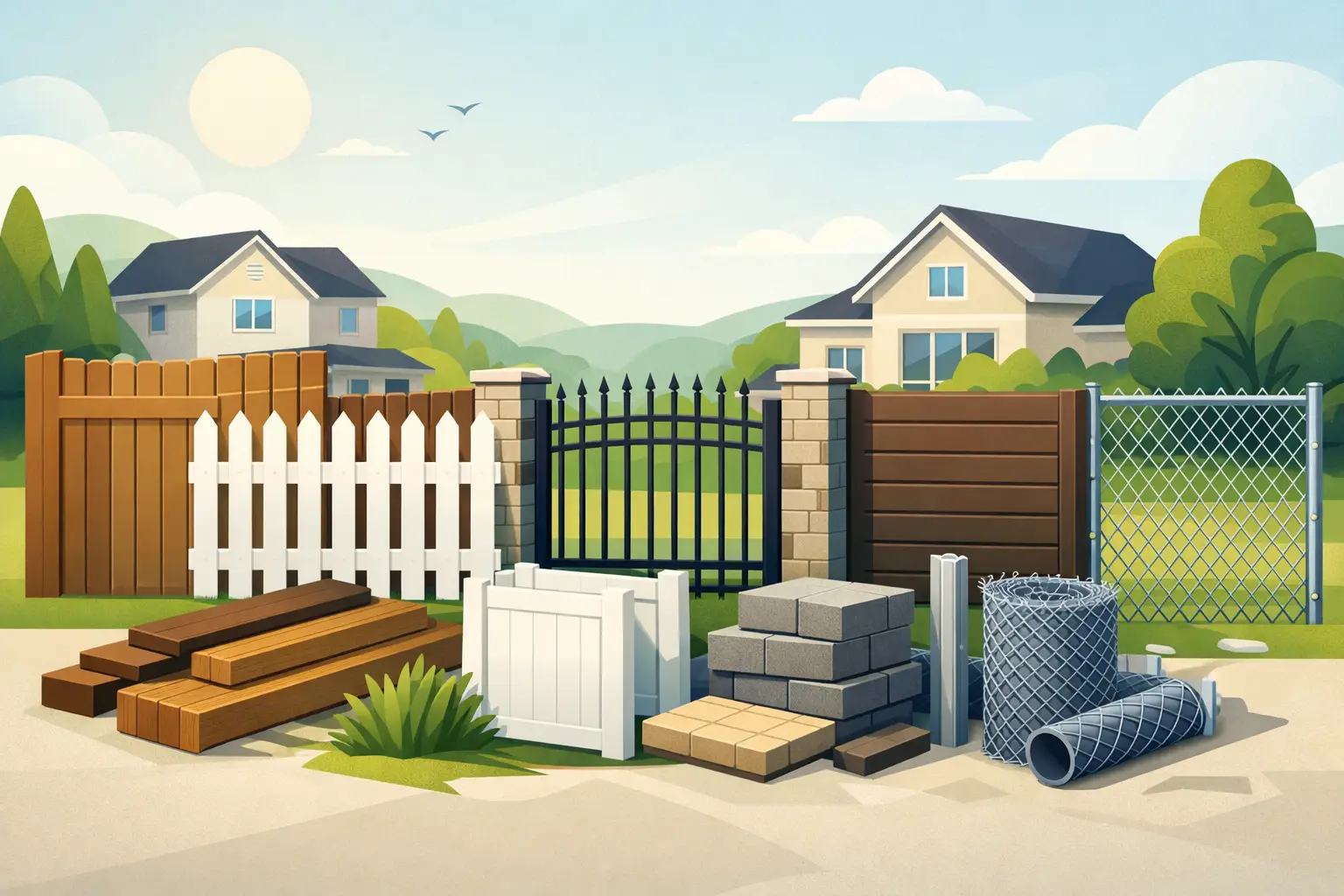
A fence usually looks simple from the street. Then the real questions start. Will it hold up through Maryland humidity, summer storms, and freeze-thaw winters? Will it give you real privacy, or just mark the line? And will it still look right five or ten years from now? This residential fence materials guide is built to answer those questions the way homeowners actually need them answered – with honest trade-offs, practical expectations, and a clear sense of what fits your property.
For most homeowners, material choice is not just about style. It affects maintenance, repair costs, curb appeal, security, and even how much you enjoy your yard. The right fence should match your home, your goals, and the amount of upkeep you are realistically willing to take on.
How to use this residential fence materials guide
Start with the reason you want a fence in the first place. If privacy is the priority, that narrows the field quickly. If your main concern is keeping children or pets safely enclosed, layout and strength matter as much as appearance. If you are fencing a front yard or decorative perimeter, the best material may be very different from what works in a backyard.
Budget matters too, but so does long-term value. A lower upfront price can be appealing until maintenance, repainting, repairs, or early replacement start adding up. That is why experienced contractors look beyond the initial install cost and talk about lifecycle performance.
Wood fencing
Wood remains one of the most requested fence materials for residential properties, and for good reason. It offers classic curb appeal, strong privacy, and flexibility in design. Picket, board-on-board, stockade, and custom horizontal styles all give homeowners plenty of room to match the architecture of the home.
For privacy, wood is hard to beat. It creates a solid visual barrier and can feel warmer and more natural than manufactured materials. That matters for backyards, pool areas, and family spaces where comfort is part of the goal.
The trade-off is maintenance. Wood fences need regular staining or sealing if you want to protect them from moisture, sun exposure, and premature aging. In this region, humidity and seasonal weather can lead to warping, rot, splitting, or insect damage if the fence is not built well and maintained properly. Repairability is a plus – individual boards can often be replaced – but ongoing care should be part of the decision from day one.
Wood is often the right fit for homeowners who want traditional character and are comfortable investing in upkeep to keep that look sharp.
Vinyl fencing
Vinyl is a strong option for homeowners who want a clean appearance with much less maintenance. It does not need painting, staining, or sealing, and it holds color well over time. For busy families and property owners who want a polished look without annual maintenance work, vinyl is often an easy choice.
It is especially popular for privacy fencing because it can provide a solid, finished look with consistent panels and minimal visual wear. White remains a common choice, but many homeowners now prefer tan, almond, gray, or wood-look finishes that feel less stark and blend more naturally with landscaping and home exteriors.
That said, vinyl is not identical to wood in appearance or repair. Some homeowners love the crisp uniformity. Others prefer the texture and variation of natural lumber. If a vinyl panel is damaged, repairs may involve replacing a larger section rather than a few individual boards. Quality also matters a great deal. Better-grade vinyl products perform much more reliably than budget materials, especially in changing weather conditions.
For homeowners who value low maintenance, lasting appearance, and strong privacy, vinyl often delivers excellent long-term value.
Aluminum fencing
If your goal is elegance, openness, and durability, aluminum deserves a serious look. It is a favorite for front yards, pool enclosures, decorative perimeters, and homes where preserving sight lines matters. Aluminum gives you security and definition without closing off the property visually.
This material performs well in the Mid-Atlantic climate because it resists rust and generally requires very little upkeep. Powder-coated finishes help maintain appearance over time, and the style works well with both traditional and more updated homes.
The main limitation is privacy. Aluminum is not the material for a secluded backyard retreat unless it is being combined with landscaping or another screening solution. It is also typically more about appearance and boundary definition than full visual separation.
When homeowners want a refined look, dependable durability, and minimal maintenance, aluminum is one of the best choices available.
Chain link fencing
Chain link is often overlooked because it is associated with utility first, appearance second. But in the right setting, it can be a smart and cost-effective option. It works well for pet containment, backyard boundaries, side yards, and properties where function matters more than screening.
Its biggest advantage is value. Chain link is generally one of the more budget-friendly fencing materials, and it can cover larger areas without driving costs up as quickly as privacy materials. It is also durable and relatively easy to maintain.
The drawback is obvious – it does not offer privacy on its own, and it has a more practical look than other materials. For some homeowners, black vinyl-coated chain link improves the appearance enough to make it a much better fit for residential use. It can feel cleaner, less industrial, and more compatible with landscaping.
If your priority is security, enclosure, and affordability, chain link may be exactly the right answer.
Composite and specialty materials
Composite fencing is appealing to homeowners who want the look of wood with less maintenance. Depending on the product, it can offer strong durability, modern styling, and good resistance to rot and insect issues. It also tends to pair well with larger outdoor living upgrades, especially when the home already includes composite decking or other premium exterior finishes.
The trade-off is usually price. Composite often comes with a higher upfront investment than wood or standard vinyl. For homeowners focused on long-term aesthetics and reduced maintenance, that can still make sense. For others, the added cost may be harder to justify if a more traditional material already meets the need.
This category is worth discussing when appearance is a major priority and the fence is part of a broader exterior design plan rather than a standalone project.
What matters most besides material
Even the best fence material can disappoint if the design, layout, or installation is wrong. Grade changes, drainage, gate placement, post depth, and local code requirements all affect how the fence performs. A privacy fence installed without proper attention to slope can look uneven. A gate framed without enough support can sag early. A material selected only for price can become the expensive option later.
That is why a professional site visit matters. The right recommendation depends on your yard, your goals, and the level of maintenance you want to deal with over time. A trusted contractor should help you compare options honestly, not push one material for every property.
Which material is best for Maryland and DC homeowners?
There is no one-size-fits-all answer, but there are strong patterns. Wood is still a favorite for natural privacy and classic style. Vinyl is often the best fit for homeowners who want privacy with minimal maintenance. Aluminum is ideal when curb appeal and openness matter most. Chain link remains a practical choice for secure enclosure on a tighter budget.
In neighborhoods across Montgomery County, Howard County, and Northwest DC, the best material often comes down to how the fence will be used every day. Families with active backyards usually prioritize privacy and durability. Homeowners updating front elevations may care more about appearance and architectural fit. Those planning a larger backyard transformation may want a fence that complements a future patio, deck, walkway, or retaining wall.
That broader perspective is where an experienced design-and-build contractor adds real value. A fence should not feel like an afterthought. It should work with the rest of the property and support how you live outside.
Choosing a fence material is easier when you stop asking which option is best in general and start asking which one is best for your home, your priorities, and your timeline. If you want clear answers, quality workmanship, and a free in-home consult and estimate, A-1 Fencing can help you make a decision you will feel good about every time you pull into the driveway.