
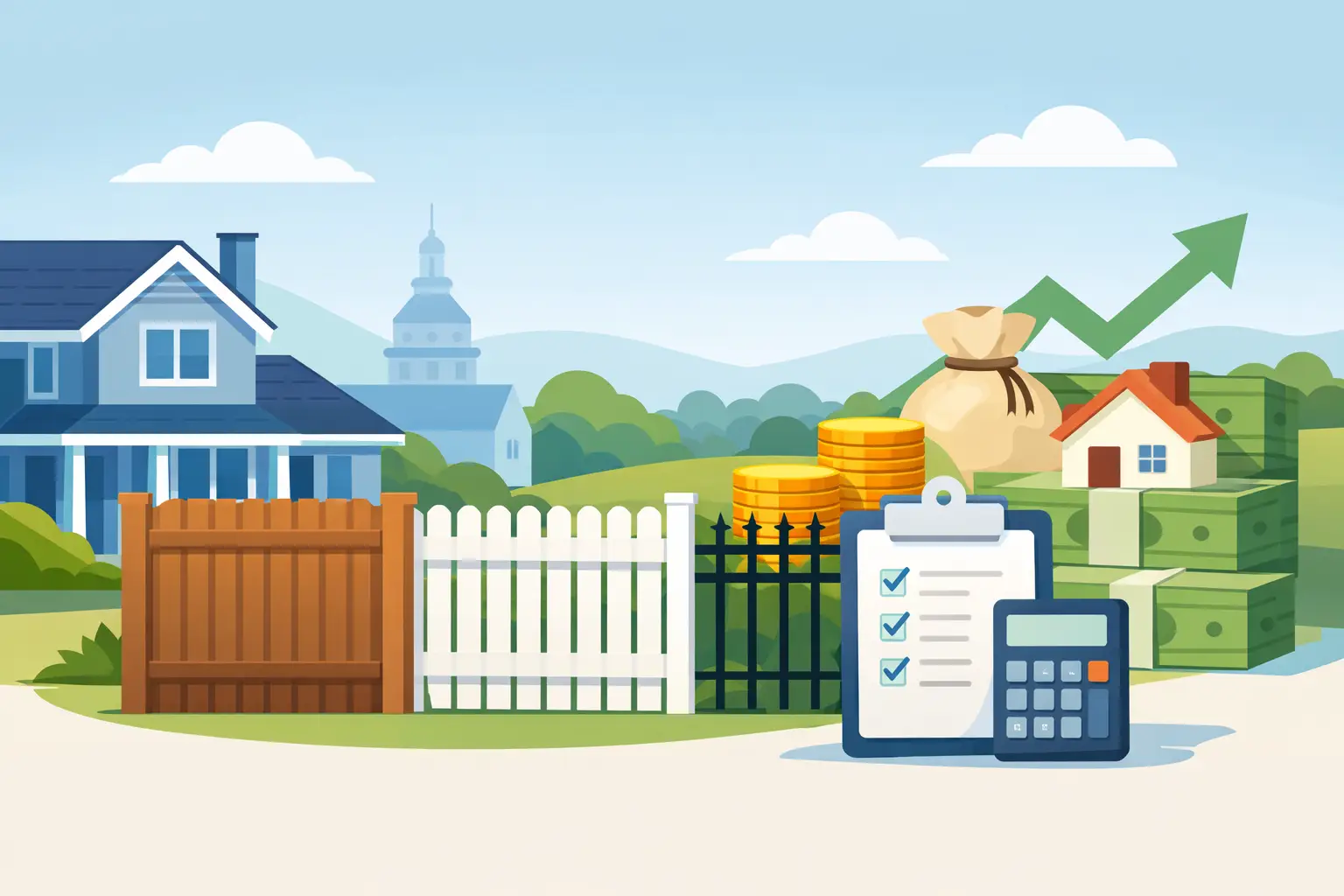
A new fence often becomes urgent before it becomes convenient. A gate stops latching, a storm damages aging panels, a new dog needs a secure yard, or privacy from a neighboring property can no longer wait. Fence financing options can help Maryland and Washington, DC homeowners move forward with the right project now while paying over time in a way that fits their household budget.
The best financing decision is not simply the one with the lowest advertised monthly payment. It is the option that supports a well-built fence, clear project scope, and payment terms you understand before work begins. For a lasting result, homeowners should weigh the full cost of financing alongside material quality, installation workmanship, and the expected life of the fence.
Why Homeowners Finance a Fence
A professionally installed fence is a meaningful property improvement. It can create a safer play area, contain pets, define a property line, improve curb appeal, and add the daily comfort of a more private backyard. Depending on the material, layout, grading, gates, permits, and demolition of an existing fence, the investment can be more than a household wants to pay all at once.
Financing lets a homeowner preserve cash for other priorities while starting a needed exterior project sooner. That can be especially helpful when a damaged fence creates a safety concern or when a larger improvement is planned around the same time, such as a patio, retaining wall, deck, or walkway.
There is a trade-off. Financing adds a monthly obligation and may add interest or fees, depending on the program and how quickly the balance is paid. It makes sense when the payment is comfortable, the project has been properly planned, and the contractor provides a detailed, upfront estimate rather than a vague starting number.
Common Fence Financing Options
The right choice depends on your credit profile, available savings, project timeline, and the financing terms offered at the time you apply. A reputable contractor can explain the payment options available for its projects, but homeowners should still review all lender disclosures and ask questions before signing.
Contractor-arranged financing
Many established home improvement contractors offer financing through third-party lending partners. This is often the most straightforward path because the application is connected to the project and can be completed during or shortly after the estimate process.
Depending on approval and the program, you may see promotional payment periods, fixed monthly payments, or longer-term installment plans. This can make a premium material choice, such as low-maintenance vinyl, aluminum, or composite fencing, more manageable without reducing the scope of the project.
Read the terms closely. Some promotional offers require the balance to be paid within a specific period to avoid interest charges. Others use standard installment financing with interest included in the payment schedule. Ask what the monthly payment will be, how long payments last, whether there are late fees, and what happens if the promotional balance is not paid on time.
Personal loans
A personal loan from a bank, credit union, or online lender may provide a fixed amount, fixed payment, and fixed repayment period. For homeowners who prefer to arrange financing independently, this can offer a clear structure before selecting a contractor.
Personal-loan rates and approval terms vary based on credit and lender requirements. Compare the annual percentage rate, origination fees if any, total repayment amount, and prepayment policy. A lower monthly payment can be appealing, but stretching payments over a longer term may increase the total cost of the fence.
Home equity loans or lines of credit
Homeowners with sufficient equity may consider a home equity loan or home equity line of credit. These options can sometimes offer rates that are competitive with unsecured borrowing, and they may be useful when a fence is part of a broader exterior renovation.
The process can take longer than contractor-arranged financing or a personal loan, and the home serves as collateral. That makes this option worth considering carefully, particularly for a stand-alone fence project with a modest budget. It can be a stronger fit when you are coordinating several improvements at once and want one source of funds for the entire plan.
Credit cards and cash savings
Using a credit card may work for a smaller repair or a short-term payment plan, especially if you can pay the balance quickly. It is usually less appealing for a large installation if the card carries a high ongoing interest rate. Savings avoid interest entirely, but using every available dollar can leave little room for household repairs or unexpected expenses.
For many families, the practical answer is a combination: a reasonable down payment from savings and financing for the remaining balance. The goal is to keep the monthly payment comfortable without draining the emergency fund.
How to Compare Fence Financing Options
Before focusing on a monthly number, compare the actual terms side by side. A proposal should make it easy to understand what is included in the fence itself: material, posts, gates, removal of old fencing where applicable, installation, cleanup, and any site-specific work. Financing a low initial estimate is not a value if important project costs appear later.
When reviewing options, pay attention to four things: the amount financed, the annual percentage rate, the repayment term, and the total amount you will repay. Also confirm whether there is a down payment, whether a promotional rate expires, and whether you can pay off the balance early without a penalty.
It also helps to compare fence materials based on long-term ownership, not only upfront price. Pressure-treated wood may have a lower initial cost but requires periodic care. Vinyl can provide privacy with minimal maintenance. Aluminum offers a clean, durable look for pool areas and property boundaries, while ornamental steel may be the right fit when strength and appearance are both priorities. The best material is the one that meets your needs, complements your home, and fits the payment plan without forcing compromises on installation quality.
Build the Right Project Before You Finance It
A good financing plan starts with an accurate project design. Measure the area, think through gate placement, identify privacy or pet-containment needs, and discuss any slopes, utility considerations, or local rules that may affect the installation. If you are replacing an old fence, ask whether removal and disposal are included.
For Maryland and DC-area properties, site conditions can make a major difference. Mature landscaping, uneven terrain, tight access, masonry features, and shared property boundaries all deserve attention during the estimate. A contractor who examines the property in person is better positioned to provide realistic pricing and avoid surprises after the project starts.
This is also the right time to consider the full outdoor picture. If a future patio, retaining wall, or deck is likely, planning the fence layout around those improvements can prevent costly changes later. A design-and-build contractor with experience across exterior projects can help coordinate the work so the final space feels intentional rather than pieced together.
Questions to Ask Before Applying
Financing should feel clear, not rushed. During your free in-home consult and estimate, ask whether financing is available for your proposed project, what approval requirements may apply, and whether the offered plan has a promotional period or a standard fixed rate. Request a written project proposal before agreeing to any payment plan.
You should also ask when payments begin, whether a deposit is required, and how project scheduling works after financing approval. The answers should be direct and consistent with the paperwork. A professional contractor will welcome these questions because informed homeowners make stronger decisions.
At A-1 Fencing, our team believes a fence should be built for the way you live – whether that means a secure backyard for children and pets, more privacy for your family, or a polished boundary that adds to your home’s appearance. Award-winning workmanship and high-quality materials matter just as much as a payment plan that feels manageable.
A well-planned fence can improve your property every day you live with it. Choose financing that protects your budget, choose materials that suit your home, and start with a detailed in-home estimate from a contractor prepared to stand behind the work.