
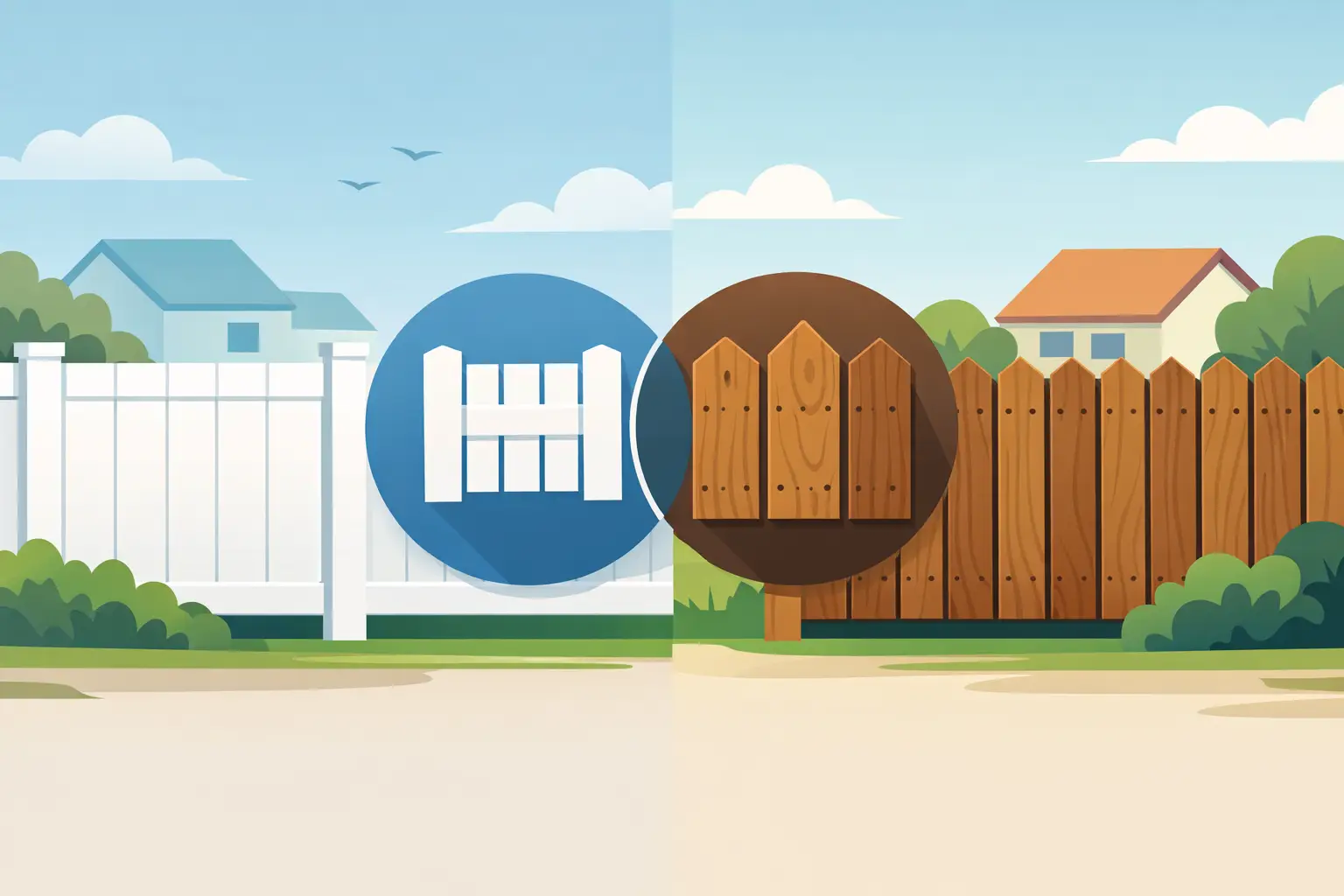
A fence looks simple from the street. Then you start pricing materials, thinking about maintenance, and asking how it will hold up through humid Maryland summers, winter moisture, and everyday family use. That is where the vinyl vs wood fence decision gets real. For most homeowners, the right choice is not about trends. It is about how you want your property to function, how much upkeep you are willing to take on, and how long you want the investment to last.
If you are planning a new fence for privacy, pets, curb appeal, or backyard living, both materials can be excellent. But they perform differently over time, and those differences matter more than the showroom sample.
Vinyl vs wood fence: the biggest difference
The simplest way to compare a vinyl vs wood fence is this: wood gives you a classic natural look with more ongoing maintenance, while vinyl gives you lower upkeep with a higher upfront cost. That sounds straightforward, but the better choice depends on your priorities.
Wood often appeals to homeowners who want warmth, traditional character, and flexibility in style or stain color. It can feel more custom and more architectural, especially around older homes or landscapes with mature trees and established plantings.
Vinyl appeals to homeowners who want a clean appearance and less weekend maintenance. It does not need painting or staining, and it resists many of the problems that make wood ownership frustrating over time.
Neither option is automatically better. The right fence is the one that fits your property, your budget, and how hands-on you want to be after installation.
Upfront cost vs long-term value
For many families, price is the first question. Wood is usually less expensive to install at the beginning, which makes it attractive if you want privacy fencing without stretching the project budget too far.
Vinyl typically costs more up front. The material itself is more expensive, and quality matters. That higher initial investment can still make financial sense if you plan to stay in the home for years and want to avoid the recurring cost of staining, sealing, painting, and repair.
This is where homeowners sometimes get surprised. A wood fence can start as the lower-cost option, but over time, maintenance and repairs can narrow the gap. Boards may warp, crack, rot, or loosen. Posts can shift. If the fence is exposed to heavy moisture or strong sun, those issues may show up sooner.
Vinyl has fewer routine maintenance costs. It may need occasional cleaning, but it does not ask for the same cycle of upkeep. If your goal is predictable ownership costs, vinyl often wins on long-term value.
Appearance and curb appeal
Aesthetics matter because a fence is one of the first things people notice about your property. It frames the home, shapes the yard, and can either blend in gracefully or stand out for the wrong reasons.
Wood has a natural texture that many homeowners still prefer. It can be stained in a range of tones or painted to coordinate with the home. For some neighborhoods and architectural styles, that organic appearance simply feels right. If you want a fence that feels established from day one, wood has an advantage.
Vinyl offers a cleaner, more uniform look. It works especially well for homeowners who want a polished finish and consistent color. There is no peeling paint and no faded stain to manage. Modern vinyl products also come in styles that go beyond the basic white panel many people picture first.
The trade-off is that vinyl looks manufactured because it is manufactured. For some homeowners that is a benefit. For others, it lacks the character they want. This is one of those decisions that depends heavily on the house, the lot, and your personal preference.
Durability in Maryland and DC area conditions
Weather is not a small detail in fence selection. In this region, fences deal with humidity, rain, temperature swings, and the wear that comes from active family backyards.
Wood is strong, but it is also vulnerable. Moisture can lead to rot, swelling, and insect damage if the material is not properly maintained. Sun exposure can dry it out, fade it, and cause splitting. Even well-built wood fences need attention to stay in top shape.
Vinyl is highly resistant to moisture and insects, which is a major reason it has become so popular with homeowners who want durability without a heavy maintenance schedule. It will not rot, and it does not need to be sealed. That said, not all vinyl is equal. Lower-quality products may become brittle or discolor over time, which is why material quality and professional installation matter.
A properly installed fence also needs to account for soil conditions, grade changes, and gate performance. The material matters, but so does the workmanship behind it.
Maintenance is where the decision often gets made
Many homeowners start out focused on installation cost and end up making their decision based on maintenance.
Wood requires regular care if you want it to keep looking good and performing well. That usually means cleaning, staining or sealing, and replacing damaged boards as needed. If you skip that maintenance, the fence may age quickly and start to lose both its appearance and structural reliability.
Vinyl is much easier to live with. In most cases, occasional washing is enough to keep it looking good. There is no paint to scrape and no stain to reapply. For busy homeowners, that convenience is a serious advantage.
If you enjoy the look of wood and do not mind the upkeep, it can still be a strong choice. But if you know you want a fence you can install and spend less time worrying about, vinyl is hard to ignore.
Privacy, security, and family use
Both wood and vinyl can provide excellent privacy when designed correctly. Full-panel styles in either material can block views, create separation from neighbors, and make outdoor living spaces more comfortable.
For households with children or pets, the details matter. You want solid construction, reliable gates, and a fence that will hold up to repeated daily use. Wood can absolutely deliver that, but it may require more attention over the years as boards move or hardware loosens.
Vinyl is often a strong fit for family properties because it stays consistent with less upkeep. There are no splinters to worry about, and the smooth finish is appealing for backyards that see a lot of activity.
Security depends less on the material alone and more on the design, height, gate hardware, and installation quality. A trusted contractor should walk you through those choices during the planning stage instead of treating every yard the same.
Repairs and lifespan
No fence lasts forever, but some demand less from you along the way.
Wood is often easier to repair in small sections. If a board is damaged, it can usually be replaced without rebuilding a large area. That is one practical advantage. The challenge is that repairs may become more frequent as the fence ages.
Vinyl generally has a longer service life with less routine deterioration, but repairs can be more specific to the product line and panel system. In some cases, matching older sections can be trickier than replacing a wood board.
This is another place where quality installation pays off. A fence built with the right materials, correct post spacing, and careful attention to grade and gate alignment will perform better no matter which material you choose.
So which one should you choose?
Choose wood if you love the natural look, want more design flexibility in finish, and are comfortable with regular maintenance. It can be a beautiful option for homeowners who see the fence as part of the home’s character and do not mind putting time into preserving that appearance.
Choose vinyl if you want a clean, durable fence with less upkeep and more predictable long-term performance. It is often the better fit for homeowners who value convenience, consistent appearance, and strong return over time.
For many properties, the answer comes down to how you want to live with the fence after installation. The best decisions are not made from a price sheet alone. They come from looking at your yard, your goals, your neighborhood, and how much maintenance you realistically want to take on.
That is why a professional consultation matters. An experienced contractor can help you compare style, durability, layout, and budget in the context of your actual property, not just a generic brochure. For homeowners in Maryland and the DC area, working with a trusted local team like A-1 Fencing can make that process a lot clearer.
The right fence should do more than mark a boundary. It should make your home feel more private, more polished, and easier to enjoy year after year.