
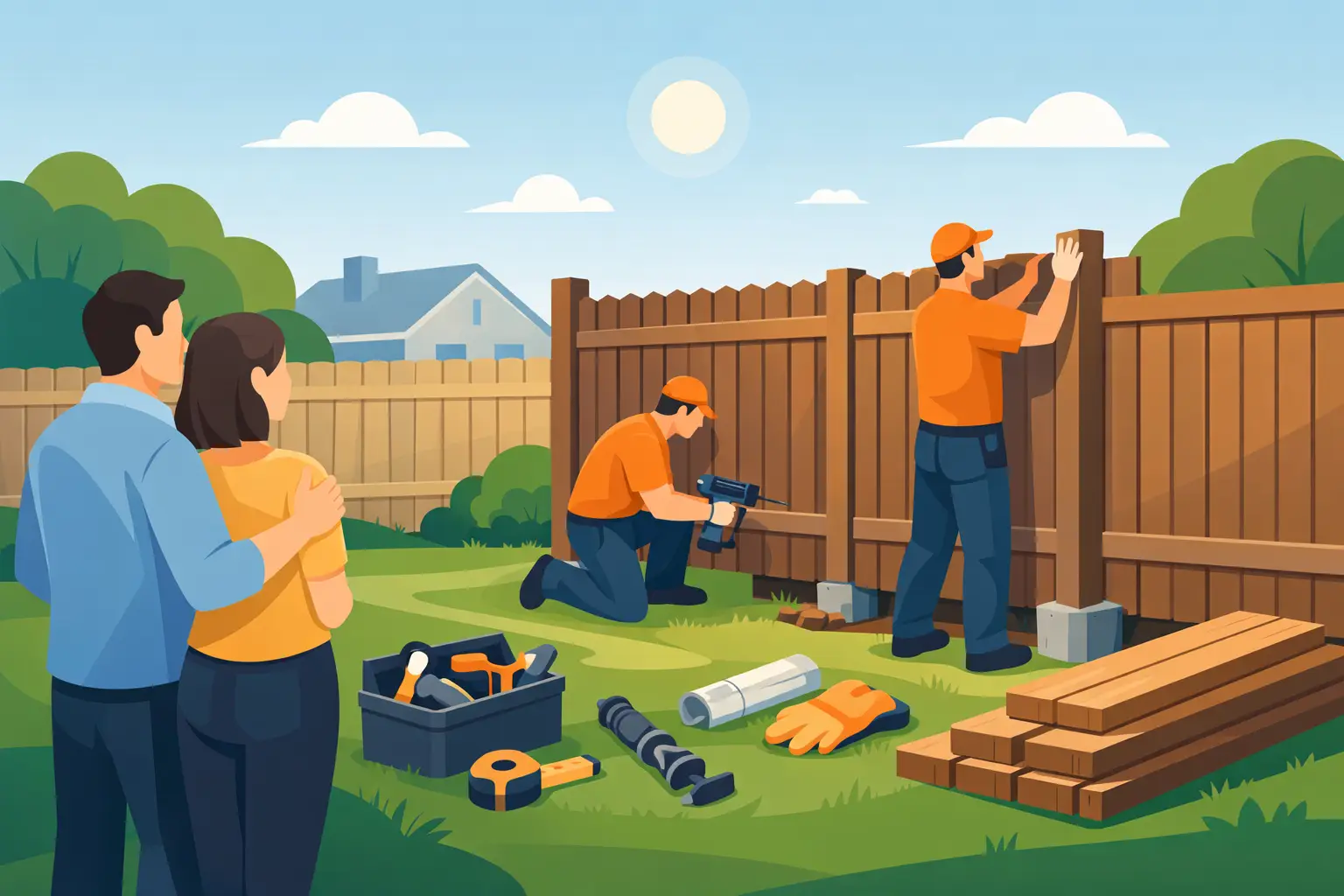
A new fence changes more than the view from your backyard. It can create privacy for family time, define a safer play area for children and pets, improve curb appeal, and make an outdoor living space feel finished. This fence installation process guide explains what homeowners in Maryland and Washington, DC can expect when they hire a qualified contractor, from the first property review through final cleanup.
The details matter. A fence that is placed without confirming boundaries, built with the wrong materials for the site, or installed without proper post depth can become an expensive problem. A professional process protects your investment while keeping the project organized, predictable, and respectful of your property.
Start With the Property, Not the Fence Style
Most successful fence projects begin with a conversation about how you use your yard. A homeowner may want a tall privacy fence along a busy road, an aluminum fence that preserves an open view, or a low-maintenance vinyl fence around a pool or pet area. The right answer depends on your goals, local requirements, grade changes, existing landscaping, and the character of the home.
Before selecting a layout, an experienced contractor should review the property lines. Your plat, survey, or recorded site plan can help identify boundaries, but visible markers, old fence lines, and a neighbor’s assumption are not always reliable. When there is uncertainty, a professional survey may be the wisest next step. It is far easier to confirm a line before installation than to move a completed fence later.
Homeowners should also consider setback rules, height limits, homeowner association standards, and any special requirements for corner lots, pools, or historic areas. Permit requirements vary by jurisdiction across Maryland and DC. A knowledgeable contractor can help you understand what applies to your project and build the schedule around approvals when needed.
The In-Home Consultation and Estimate
A free in-home consult and estimate should give you more than a number. It is an opportunity to discuss the fence’s purpose, walk the proposed line, identify gates and access points, and compare materials in the context of your home.
During this visit, the estimator may look for slopes, drainage paths, retaining walls, trees, utility boxes, patios, and other features that affect installation. These conditions do not necessarily prevent a fence project, but they may change the design. For example, a steep grade may call for stepped panels or a rackable style, while a tight side yard may require a different installation approach.
A clear estimate should identify the material, fence height, linear footage, gate configuration, and anticipated scope of work. Competitive upfront pricing is valuable because it helps homeowners compare proposals based on what is actually included, not just the lowest starting figure.
Choose Materials That Fit the Way You Live
There is no single best fence material for every Maryland or DC property. Wood remains a popular choice for its natural appearance and design flexibility. It can be an excellent fit for privacy and traditional homes, but it needs periodic care to maintain its appearance over time.
Vinyl offers a clean, consistent look with low routine maintenance. It is a practical option for homeowners who want privacy without painting or staining. Aluminum is often selected for its refined appearance, durability, and ability to frame a view without closing off the yard. It is especially common around pools and landscaped spaces where visibility matters.
Composite and specialty materials can also be worth considering for homeowners who prioritize long-term performance and a premium finish. The trade-off is usually a higher initial investment. An experienced contractor will explain the differences honestly, including maintenance expectations, warranty considerations, and how each material performs with your home’s style and budget.
Gates deserve the same attention as the fence itself. A pedestrian gate needs dependable hardware and a comfortable swing path. A wider gate for lawn equipment, vehicles, or trash access needs proper support so it continues to operate correctly. Gate locations should be decided early, before posts are set.
The Fence Installation Process, Step by Step
Once the design, material, price, and schedule are approved, the physical work can begin. Weather, permit timing, utility marking schedules, and material availability can affect start dates, but a dependable contractor will keep you informed about the plan.
1. Site Preparation and Utility Marking
Before digging, underground utilities must be marked. This is a critical safety step, even if you believe utilities are nowhere near the fence line. Communication lines, electric service, irrigation, and other buried features may not follow the path you expect.
The installation crew will also review access to the yard and protect practical work areas as needed. Homeowners can help by moving furniture, planters, toys, and vehicles away from the work zone. If pets use the yard, plan for secure temporary arrangements while gates are open and the fence line is under construction.
2. Layout and Post Installation
The crew marks the fence line, corners, gate openings, and post locations according to the approved plan. This is the stage where precise layout pays off. Straight runs, consistent spacing, and properly placed gates give the completed project a clean, intentional appearance.
Posts are set at the required depth for the fence type, soil conditions, and local frost concerns. Concrete is often used to secure posts, although the proper method depends on the product and site. A fence is only as dependable as the structure supporting it, so this work should never be rushed.
On sloped yards, installers determine whether the fence should follow the terrain or step down in sections. Following the grade can minimize gaps at the bottom of the fence. Stepping can create level panel lines and a more formal appearance. Both can work well when planned correctly.
3. Rails, Panels, and Gates
After the posts are aligned and secure, the crew installs rails, panels, pickets, or ornamental sections. Quality workmanship is visible in the details: evenly spaced boards, level or properly racked sections, clean transitions at corners, and hardware that is installed for reliable daily use.
Gate frames and latches are then adjusted so gates open, close, and latch correctly. This is especially important for self-closing or self-latching gates around pools, where safety requirements may apply. If your project includes an existing patio, retaining wall, walkway, or landscape bed, the installer should make thoughtful transitions rather than treating those features as an afterthought.
4. Final Review and Cleanup
A professional installation ends with a walkthrough, not just a finished fence. The contractor should review the completed work with you, confirm gate operation, address visible questions, and remove construction debris from the site.
Some settling around post holes or minor lawn disruption can occur during any fence installation, particularly after rain or on heavily landscaped properties. Ask what to expect for your specific yard and how the contractor handles cleanup, damaged turf, or unavoidable access impacts. Clear expectations are part of good service.
What Can Affect Your Fence Timeline and Cost?
A straightforward backyard fence may move quickly once materials and utility markings are ready. More complex projects can take longer. Long runs, difficult access, uneven grades, custom gates, retaining wall transitions, permit reviews, and weather can all influence the schedule.
Cost also depends on more than linear footage. Fence height, material grade, post requirements, gate sizes, demolition of an old fence, and site conditions all contribute to the final scope. A lower initial quote may leave out removal, hardware, permits, or the structural work needed for a fence that lasts. Ask direct questions and make sure each proposal describes the same project.
Work With a Contractor Who Sees the Whole Yard
Fence installation often connects to larger outdoor plans. A new fence may frame a future patio, improve privacy around a fire pit, or meet a retaining wall at a changing grade. Working with a full-service outdoor contractor can reduce the hassle of coordinating multiple crews and help the finished space feel cohesive.
At A-1 Fencing, homeowners can work with an award-winning, family-run team that understands both fencing and the surrounding outdoor features that make a property more enjoyable. From material selection through final walkthrough, the goal is dependable workmanship, respectful service, and a fence built for the way your family uses the yard.
Before choosing a design, stand outside at different times of day and picture how the space needs to work five years from now. That simple step often makes the right fence line, material, gate location, and investment much clearer.