
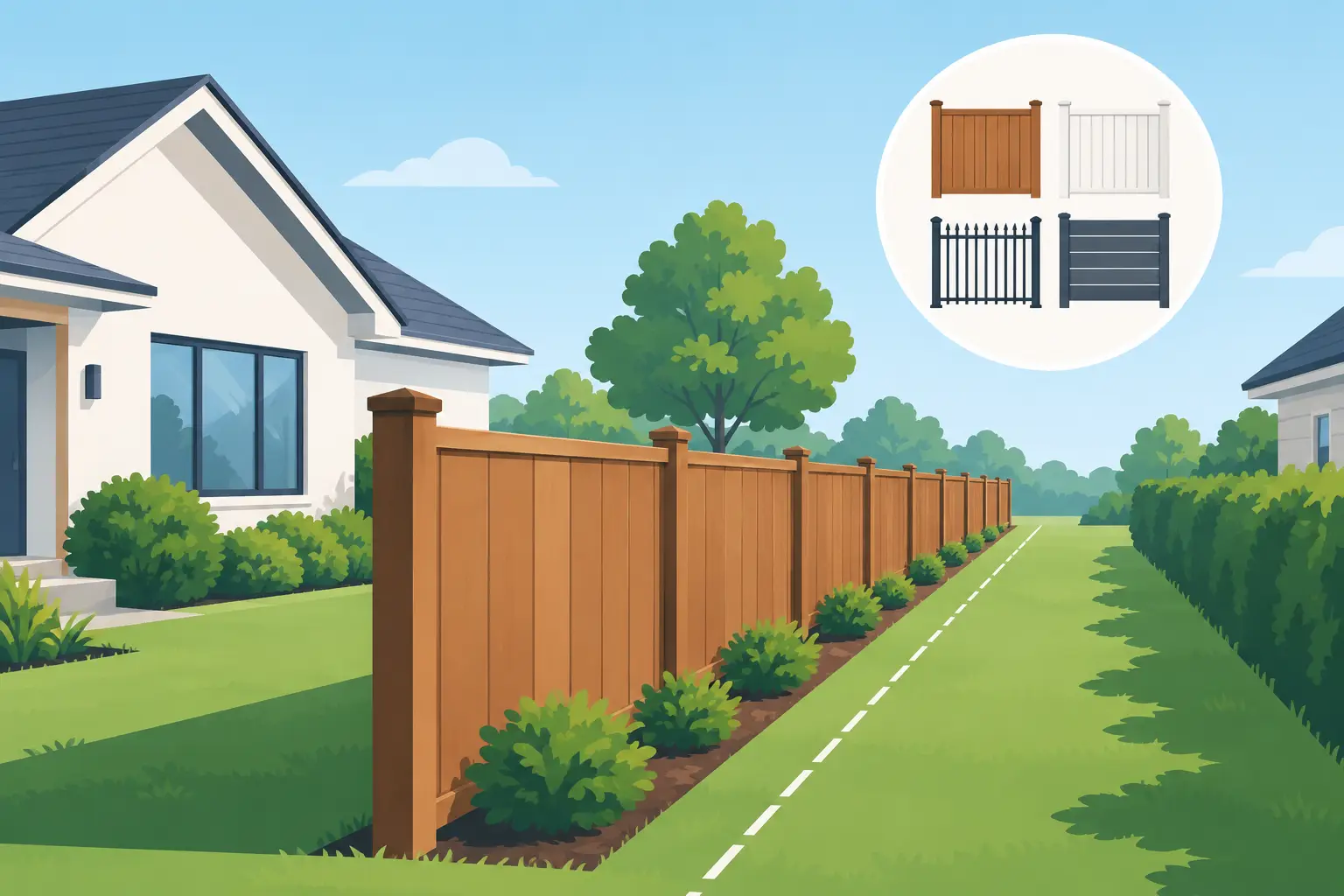
A fence can add privacy, define a yard, protect children and pets, and improve curb appeal. But when it sits near a property line, a simple upgrade can become stressful if the boundary is unclear or local requirements are missed. This property boundary fencing guide gives Maryland and Washington, DC homeowners a practical way to plan the project correctly before installation begins.
The goal is not simply to put a fence where the yard appears to end. A well-planned boundary fence respects the legal property line, works with your home’s layout, meets community requirements, and delivers the privacy or security you expect for years to come.
Start With the Actual Property Line
One of the most common fence mistakes is assuming an existing fence, hedge, driveway edge, or neighbor’s landscaping marks the property boundary. Sometimes it does. Often, it does not. A fence that has been in place for decades may have been installed for convenience rather than accuracy.
Begin by reviewing your property plat or survey from when you purchased the home. This document may show lot dimensions, easements, setbacks, and boundary markers. If the line is still uncertain, especially when a fence will run close to it, a current survey from a licensed surveyor offers the clearest answer.
This step can feel like an extra expense, but it is often far less costly than relocating a completed fence or resolving a disagreement with a neighbor. It is particularly worthwhile for irregular lots, properties with wooded edges, homes near drainage areas, and lots where previous fencing does not align neatly with recorded lines.
Understand the difference between a boundary and an easement
Your property line identifies where your land ends. An easement gives another party a legal right to access or use part of the land for a specific purpose. Utility easements are common in residential neighborhoods and may run along side or rear lot lines.
You may be allowed to install a fence near or across an easement, but utilities can retain the right to access that area for repairs. If they need to remove part of the fence to reach underground or overhead infrastructure, replacement may become the homeowner’s responsibility. Your contractor can help you think through the layout, but recorded easements and local rules should always be verified before work begins.
Check County, City, and HOA Requirements Early
Fence rules vary from one Maryland jurisdiction to another, and Washington, DC has its own permitting and zoning considerations. Maximum height, setback requirements, gate placement, visibility at driveways, and acceptable materials can differ by location and fence type.
A backyard privacy fence may be treated differently from a front-yard decorative fence. Corner properties can have additional sightline restrictions because a tall fence near an intersection may obstruct drivers’ views. Homes in historic districts or communities with detailed architectural standards may also require review before installation.
If your home is part of a homeowners association, read the architectural guidelines before selecting a style or color. Many associations regulate fence height, picket spacing, material, color, and which side of the yard may be enclosed. Approval timelines can affect your project schedule, so it is smart to submit documentation before ordering materials.
A trusted local fencing contractor should be familiar with the questions that commonly arise in your area. Still, homeowners should keep written HOA approvals and confirm any permit responsibilities in the installation agreement.
Talk With Your Neighbor Before Work Starts
You are not always legally required to get a neighbor’s permission to install a fence entirely on your property. Even so, a brief conversation can prevent confusion and preserve a good relationship.
Show your neighbor the proposed line, explain the fence height and style, and discuss practical details such as access during construction. This is especially helpful when the fence will be visible from both homes, when mature landscaping sits near the line, or when an older shared fence is being removed.
Do not rely on a verbal agreement if both homeowners plan to share the cost or install a fence directly on the boundary. Confirm the arrangement in writing, including ownership, maintenance expectations, and what happens if repairs or replacement are needed later. Shared fences can be a sensible investment, but only when both parties understand the plan.
Choose a Fence That Fits the Purpose of the Yard
The best material depends on what you need the fence to do. Privacy, pet containment, pool safety, security, maintenance preferences, and the home’s architecture all matter. The lowest initial price is not always the best long-term value.
Wood fencing remains a popular choice for homeowners who want a warm, traditional look and strong privacy. It can be customized in height and style, but it needs periodic maintenance to manage weathering, moisture, and natural movement. For many Maryland homes, the appearance is worth the upkeep.
Vinyl fencing provides a clean, consistent finish with low maintenance demands. It works well for privacy, semi-privacy, and decorative applications, and it does not require staining or painting. Quality matters here. Better materials and professional installation help prevent sagging, cracking, and uneven panels over time.
Aluminum fencing is often selected for pools, pets, views, and decorative boundaries. It offers a refined appearance without closing off the landscape the way a solid privacy fence can. It is not designed to provide visual privacy, but it is a durable option for defining a property while preserving sightlines.
Chain link is practical, economical, and effective for securing a yard. Black vinyl-coated chain link can create a more polished residential look than traditional galvanized material. For homeowners who want security without a solid visual barrier, it can be a smart fit.
Match fence height to the job
A six-foot privacy fence may make sense along a busy road or close side yard, while a four-foot aluminum fence may be better around an open backyard with mature trees. Taller is not automatically better. Height can affect permitting, HOA approval, wind exposure, cost, and how enclosed your outdoor space feels.
Consider what you see from inside the home as well. A fence should improve how you use the property, not make your yard feel smaller or block a view you value.
Plan Gates, Grades, and Everyday Access
The gate is often the most used part of a fence, yet it is sometimes treated as an afterthought. Think about how you move through the property now and how you expect to use it later. Do you need room for lawn equipment, trash bins, a wheelbarrow, or future patio construction? Would a double gate make access easier for a vehicle or larger equipment?
Your yard’s grade also affects the design. Sloped properties may require stepped panels, racked fencing that follows the grade, custom transitions, or carefully planned retaining solutions. Trying to force a standard fence layout onto uneven terrain can leave gaps below the fence, create awkward angles, or result in posts that do not perform well.
This is where a design-and-build perspective helps. If a fence project connects to a new deck, patio, walkway, or retaining wall, planning those elements together can prevent costly revisions later. A gate should open where it supports the way your family actually uses the outdoor space.
Budget for Quality Installation, Not Just Materials
Fence pricing depends on linear footage, material, height, gate quantity, site conditions, demolition, grading, and permit requirements. A quote that looks unusually low may leave out essential details such as removing old concrete, setting posts correctly, handling challenging grades, or installing durable gates and hardware.
Ask for a clear, upfront estimate that explains what is included. You should know the proposed material, fence height, post spacing, gate specifications, removal plan, anticipated timeline, and whether permits are part of the scope. For larger outdoor projects, financing can also make it easier to move forward with the right design rather than settling for a short-term compromise.
Before digging begins, underground utilities must be marked. This is a safety requirement, not a formality. Utility locations can influence post placement and may affect the final layout in ways that are not visible from the surface.
Work With a Contractor Who Treats the Boundary Seriously
A property-line fence is a permanent improvement, not a weekend experiment. The contractor you choose should take time to review your goals, inspect the site, discuss material options, and explain the factors that affect installation. Good craftsmanship includes straight runs, secure posts, properly operating gates, clean transitions, and respect for surrounding landscaping and neighboring homes.
For homeowners in Maryland and the DC metro area, A-1 Fencing provides free in-home consults and estimates designed to make those decisions clearer. As a family-run contractor, the team can help you plan a fence that supports privacy, safety, and curb appeal while fitting the broader vision for your outdoor space.
A few careful decisions before installation can protect your investment long after the final post is set. Start with a clear boundary, choose materials built for your priorities, and give your family a yard that feels more useful, more private, and genuinely your own.