
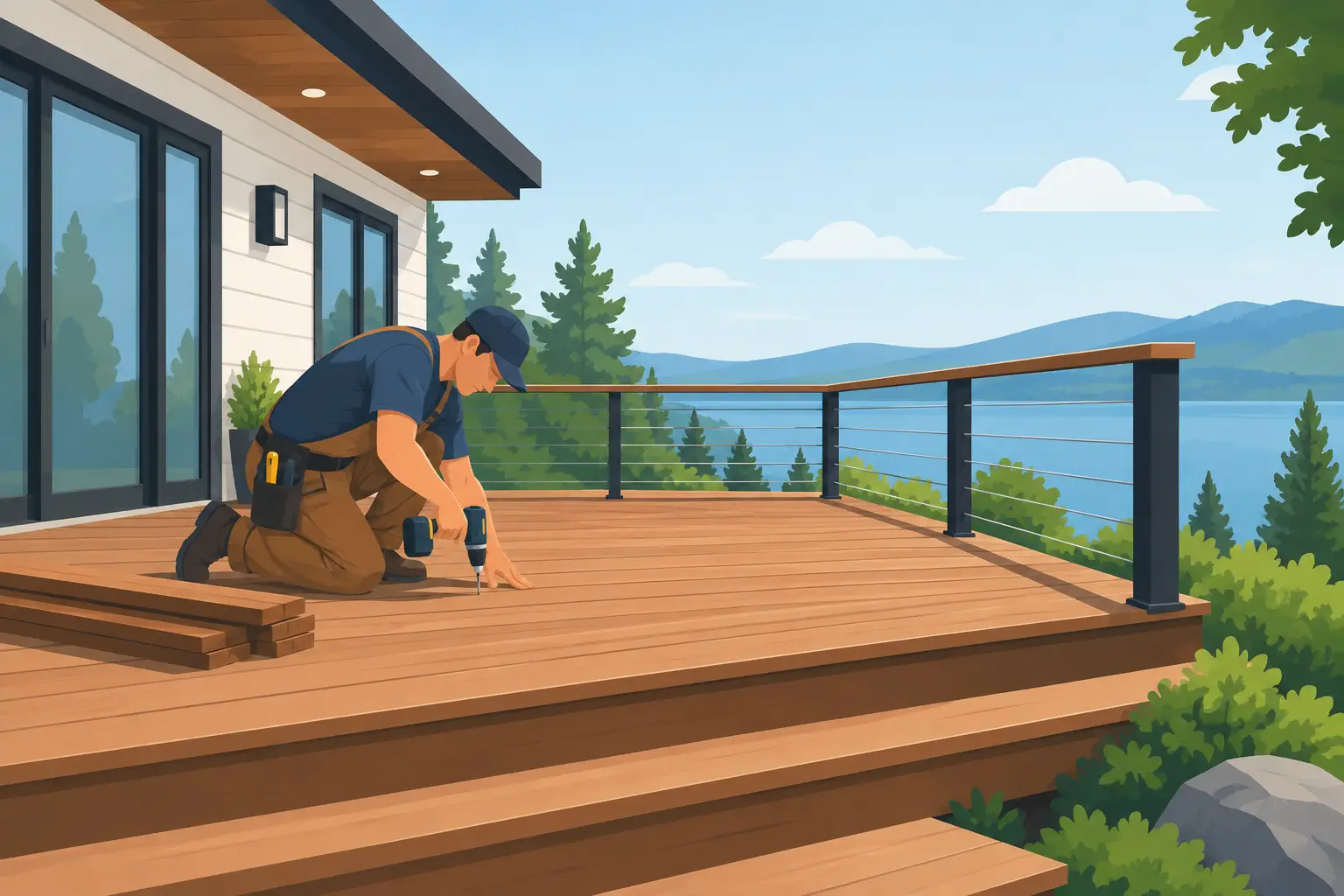
A deck can become the place where weekend dinners run long, children spread out their toys, and quiet mornings feel a little more removed from the pace of the house. But that only happens when the structure is planned and built correctly. The right deck builders do more than install boards and railings. They help Maryland and Washington, DC homeowners make smart decisions about layout, materials, safety, drainage, and long-term value before construction begins.
A new deck is a significant improvement to your home, not a purchase to make based on the lowest number on an estimate. The difference between a deck that stays solid and attractive for years and one that starts to sag, shift, or feel dated quickly often comes down to the contractor’s process.
What Great Deck Builders Bring to the Project
Homeowners often start with a simple goal: more usable space outside. Once the conversation begins, the project becomes more detailed. Where should the stairs land? How will the deck connect to a patio, walkway, fence, or retaining wall? Is there enough room for a dining table, grill, lounge seating, and safe traffic flow? A skilled contractor helps answer those questions while keeping the design practical for the property.
That planning matters especially in the Maryland and DC area, where lot sizes, grade changes, mature trees, drainage patterns, and neighborhood requirements can vary from one street to the next. A deck that looks good in a photo may not be the right answer for a sloped backyard or a home with a low rear door. A dependable design-and-build team evaluates the actual site, then recommends a solution that works with it.
Quality deck builders also understand the structural work that homeowners should never have to guess about. Proper footings, secure ledger attachment, correctly sized framing, well-supported stairs, and code-conscious railings are not finishing details. They are the foundation of a safe deck. Beautiful composite decking cannot make up for shortcuts beneath the surface.
Start With How You Want to Use the Space
The best deck designs begin with daily life, not a catalog page. A family that hosts graduation parties and holiday cookouts may need a broad main level with generous circulation space. Homeowners seeking a private place to relax may prefer a smaller deck with a defined seating area, privacy screening, and lighting. If accessibility is a concern, stair placement, railing style, and transitions from the home deserve extra attention early.
Think about sun exposure, too. An open deck can be ideal for gardening and sunshine, but a south- or west-facing space may become uncomfortable during the hottest part of the day. Shade structures, pergolas, covered areas, or the placement of the deck itself can change how often the space gets used.
It also helps to consider what may come next. Perhaps the immediate project is a deck, while a paver patio, fire pit, fence, or retaining wall is planned for a later year. Designing with those improvements in mind can prevent awkward connections and unnecessary rework. One contractor with experience across exterior projects can provide a more cohesive plan than several vendors working independently.
Material Choices Should Match Your Priorities
Wood and composite decking both have a place, but they serve homeowners differently. Pressure-treated wood can offer a lower upfront cost and a traditional look. It also requires ongoing care, including staining or sealing, and may be more vulnerable to checking, splintering, and weathering over time.
Composite decking costs more initially, but many homeowners value its lower-maintenance surface, consistent color, and resistance to common issues such as rot and insect damage. Premium options from recognized manufacturers such as Trex and TimberTech offer a wide range of colors, board profiles, and railing combinations. For busy families, reducing the annual maintenance list can be worth the added investment.
There is no single material that is right for every home. Budget, the amount of direct sun, desired appearance, maintenance expectations, and the expected length of time in the home all matter. An experienced contractor should explain the trade-offs clearly rather than steering every homeowner toward the same product.
Railings deserve equal consideration. They affect safety, sightlines, and the final character of the deck. Traditional wood railings can suit classic homes, while composite, aluminum, cable, or other modern railing systems can create a cleaner look and preserve views of the yard. The right choice should feel intentional, not like an afterthought added near the end of the project.
Look Beyond the Price on the Estimate
Comparing estimates is sensible. Comparing them line by line is even better. A low proposal may leave out details that become expensive later, such as demolition, hauling, permits, stairs, lighting, upgraded fasteners, framing requirements, or site restoration. A clear, upfront estimate gives you a better picture of what is actually included.
When speaking with a contractor, ask how the project will be designed, permitted, scheduled, and supervised. Ask who will perform the work and how changes are handled if an unexpected condition is found. You should also understand the warranty coverage for both workmanship and materials.
A professional deck contractor should be comfortable discussing:
- The deck’s proposed size, height, stairs, railing, and usable layout
- Material options and the maintenance each option requires
- Permit and inspection responsibilities where required
- Expected project timing, payment schedule, and cleanup plans
- How the deck will connect to future outdoor improvements
These conversations are not meant to make the process complicated. They are how a homeowner gains confidence that the contractor has considered the work from beginning to end.
Why Local Experience Matters for Deck Construction
A deck has to stand up to humid summers, freezing temperatures, rain, snow, and seasonal temperature swings. Material selection and installation methods need to account for expansion, drainage, ventilation, and the wear that comes with real family use. Local experience also helps when navigating common municipal requirements and property-specific challenges.
For example, a deck built near a property line, over uneven ground, or adjacent to an existing patio may need more coordination than a simple rectangular platform. The contractor should identify these conditions before construction, not after materials arrive in the driveway.
Homeowners should also pay attention to communication. A contractor may have excellent craftsmanship, but the project experience suffers if scheduling is vague or questions go unanswered. Choose a team that respects your property, explains the next step, and provides a direct point of contact throughout the job. Those habits are often a sign of the same care that goes into the finished work.
A Design-and-Build Approach Reduces the Headaches
Working with separate designers, suppliers, installers, and hardscape crews can create unnecessary gaps in responsibility. A design-and-build contractor brings the process under one roof, making it easier to coordinate the deck with fences, gates, patios, walkways, walls, and outdoor gathering areas.
That does not mean every project needs to become a complete backyard renovation. Sometimes a straightforward deck replacement is the right move. But if your home would benefit from a larger outdoor plan, it is valuable to work with a company that can see how each piece fits together.
At A-1 Fencing, homeowners can begin with a free in-home consult and estimate to discuss their goals, review material choices, and get practical guidance from a trusted local team. Competitive upfront pricing and financing options can also make it easier to move forward with an exterior project that adds real enjoyment and value to the home.
Build for the Years You Plan to Enjoy It
A well-built deck should feel like a natural extension of your home, not a temporary platform behind it. Give the project the attention it deserves before construction starts. Choose a contractor that listens closely, specifies quality materials, respects the details below the surface, and has the experience to make your outdoor plans feel dependable from the first step outside.