
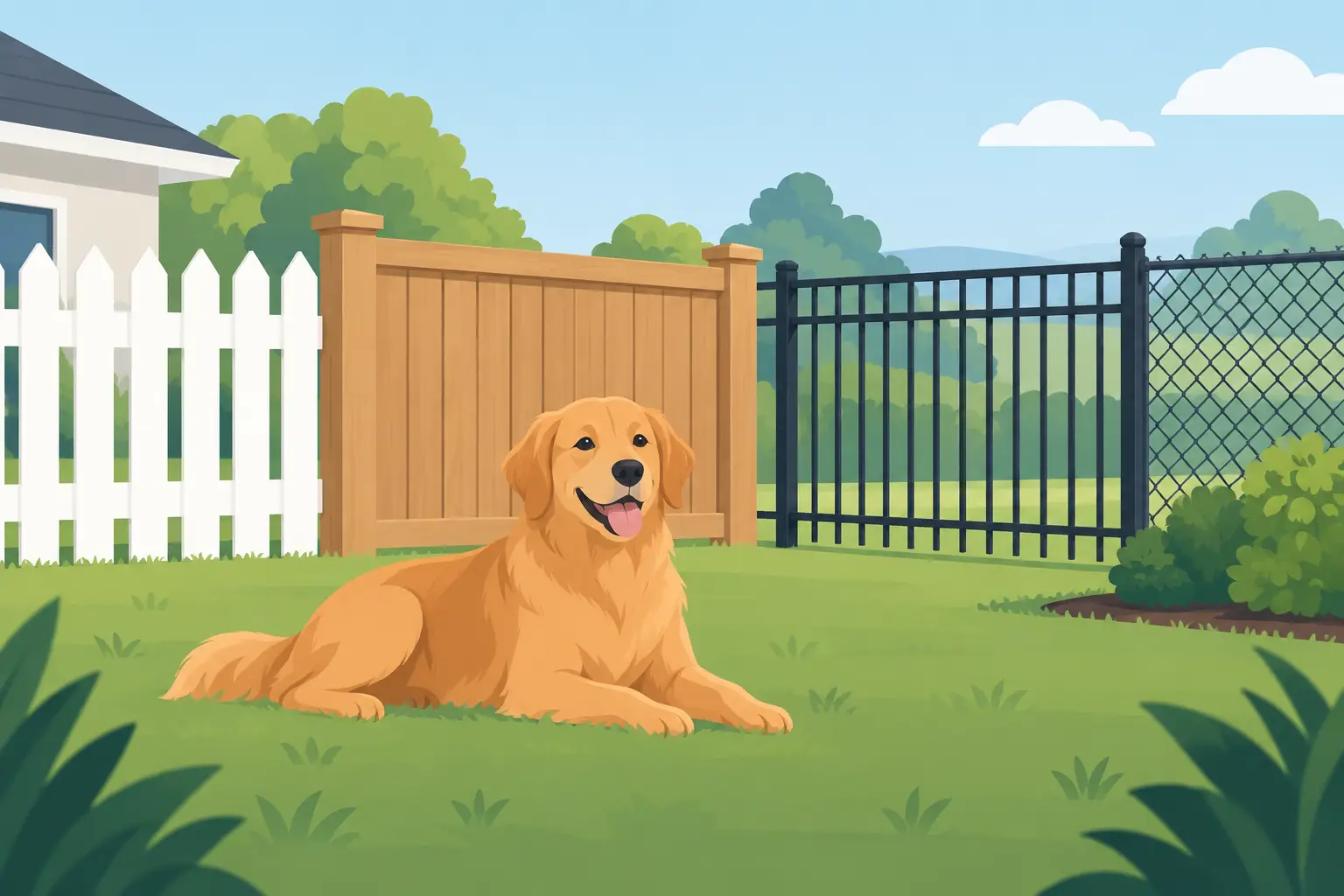
A dog can find the weak spot in a yard faster than most homeowners expect. It may be a gap beneath an aging panel, a loose gate latch, or a fence low enough for an athletic dog to clear in one determined jump. The best fence options dogs will respect are not simply the tallest or most expensive choices. They are the ones designed around your dog’s size, behavior, sight lines, and your property’s long-term needs.
For Maryland and Washington, DC-area homeowners, a professionally planned fence can create a safer space for pets while adding privacy, curb appeal, and real value to the property. The right material matters, but so do details such as gate construction, post depth, fence height, and the way the fence meets sloped ground.
Best Fence Options for Dogs: What Matters Most
Before choosing a style, consider how your dog uses the yard. A small, calm dog has very different containment needs than a large shepherd, an energetic retriever, or a determined digger. The fence should be built for the dog you have, not just the look you prefer from the street.
Height is often the first consideration. A 4-foot fence may be sufficient for many small dogs, but it can be too low for larger breeds or dogs that jump when excited. A 5- or 6-foot fence generally provides more dependable containment and greater privacy for family yards. Local rules, HOA requirements, and property conditions can affect allowable height, so an experienced contractor should review those details before installation begins.
Visibility is another major factor. Some dogs stay calmer behind a solid privacy fence because they cannot see pedestrians, delivery drivers, wildlife, or neighboring pets. Other dogs do well with a more open aluminum fence, particularly when owners want to preserve a view. If your dog barks, charges, or becomes overstimulated by activity beyond the yard, limiting those sight lines may make daily life more peaceful.
Finally, look closely at the ground. Dogs that dig can exploit small spaces under a fence, especially where a yard slopes or soil has settled over time. Proper grading, a tight bottom line, and careful installation around uneven terrain are just as important as the panels above ground.
Vinyl Fencing: A Clean, Private Choice
Vinyl fencing is one of the strongest choices for homeowners who want privacy with low maintenance. Solid vinyl panels create a clear barrier that helps keep dogs in and distractions out. There are no exposed nails, splinters, or gaps between pickets for a dog to push through, and the smooth surface is easy to clean after muddy paws or seasonal weather.
For families balancing busy schedules with pet ownership, vinyl’s maintenance needs are a major advantage. It will not rot, require painting, or suffer insect damage the way natural wood can. Quality vinyl fencing also maintains a crisp, polished appearance that complements many Maryland and DC-area homes.
The trade-off is that vinyl may have a higher upfront cost than some wood options, and repairs typically involve replacing a damaged section rather than patching it. That is why material quality and professional installation are critical. A properly supported vinyl fence should stand up to normal pet activity, weather changes, and years of everyday use.
Wood Privacy Fencing: Versatile and Familiar
Wood remains a popular fence material for dog owners because it is adaptable, attractive, and well suited to privacy-focused yards. A board-on-board or solid stockade design can block outside distractions while giving a property a warm, traditional look. Wood also offers flexibility in height, layout, and custom gate design.
A well-built wood fence is a practical option for dogs that need visual separation from neighboring activity. It can be especially effective in close-set neighborhoods where barking at passersby or adjacent pets becomes a concern. With the right design, wood fencing can follow challenging grades and work naturally around landscaping, patios, and mature trees.
Wood does require ongoing care. Moisture, sun exposure, and changing Mid-Atlantic seasons can lead to warping, fading, or rot if the material is not maintained. Homeowners should plan for staining or sealing as needed and address loose boards promptly. Choosing quality lumber and skilled installation gives a wood fence the best chance of lasting beautifully.
Aluminum Fencing: Secure Without Losing the View
Aluminum fencing is an excellent option for homeowners who want a secure boundary without closing off the yard. Its open-picket design works well around pools, gardens, wooded lots, and properties with views worth preserving. It is also a popular choice for dogs that do not need visual screening to remain calm and contained.
High-quality aluminum fencing is durable, resistant to rust, and far easier to maintain than traditional wrought iron. It can be rackable, meaning sections can follow a slope without creating large gaps beneath the fence. That feature is particularly valuable on hilly properties, where a standard level panel might leave room for a small dog to escape.
The main consideration is visibility. An aluminum fence keeps a dog physically contained, but it does not block what is happening outside the yard. For a dog that reacts to squirrels, neighbors, or dogs on walks, open fencing may not solve the behavior issue. Some homeowners pair aluminum fencing with thoughtful landscaping to soften sight lines while maintaining an open feel.
Chain Link Fencing: Practical, but Not Right for Every Yard
Chain link fencing can provide dependable containment at a budget-conscious price, particularly for large yards or side-yard dog runs. Modern black vinyl-coated chain link is more attractive than the galvanized fencing many homeowners remember, and it can blend into the background more easily around trees and landscaping.
For a dog that is primarily interested in running and playing, chain link can be a sound functional choice. However, it provides little privacy and may encourage reactive dogs to pace or bark at activity on the other side. Determined climbers may also need additional planning, such as a taller fence or a design that makes climbing more difficult.
It is best viewed as a practical containment solution rather than a privacy feature. In neighborhoods where curb appeal and outdoor living are priorities, homeowners often prefer vinyl, wood, or aluminum for a more finished look.
Do Not Overlook the Gate
A secure fence can still fail at the gate. Dogs learn quickly which doors move, which latches are loose, and which family members occasionally forget to close them completely. A quality gate should be sized correctly, aligned properly, and equipped with dependable hardware that closes securely.
For active or large dogs, self-closing hinges and lockable latches can add useful peace of mind. Gates should also sit close enough to the ground that a small dog cannot squeeze beneath them. If the gate opens toward a driveway, sidewalk, or street, professional installation becomes even more valuable.
Plan the Fence Around Your Whole Outdoor Space
Your fence does not have to be an isolated project. It can define a safer play area for your dog while improving how your family uses the rest of the property. A privacy fence can create a more comfortable backdrop for a patio, deck, fire pit, or garden. An aluminum fence may frame a landscaped yard without hiding its best features.
A-1 Fencing helps homeowners plan fencing that fits the property, the family, and the way they want to enjoy their outdoor space. During a free in-home consult and estimate, an experienced team can assess slopes, access points, existing structures, material preferences, and the everyday needs of your pets.
The best choice is the fence that gives you confidence when you open the back door: a well-built boundary where your dog can play, your family can relax, and your yard feels like part of home again.