
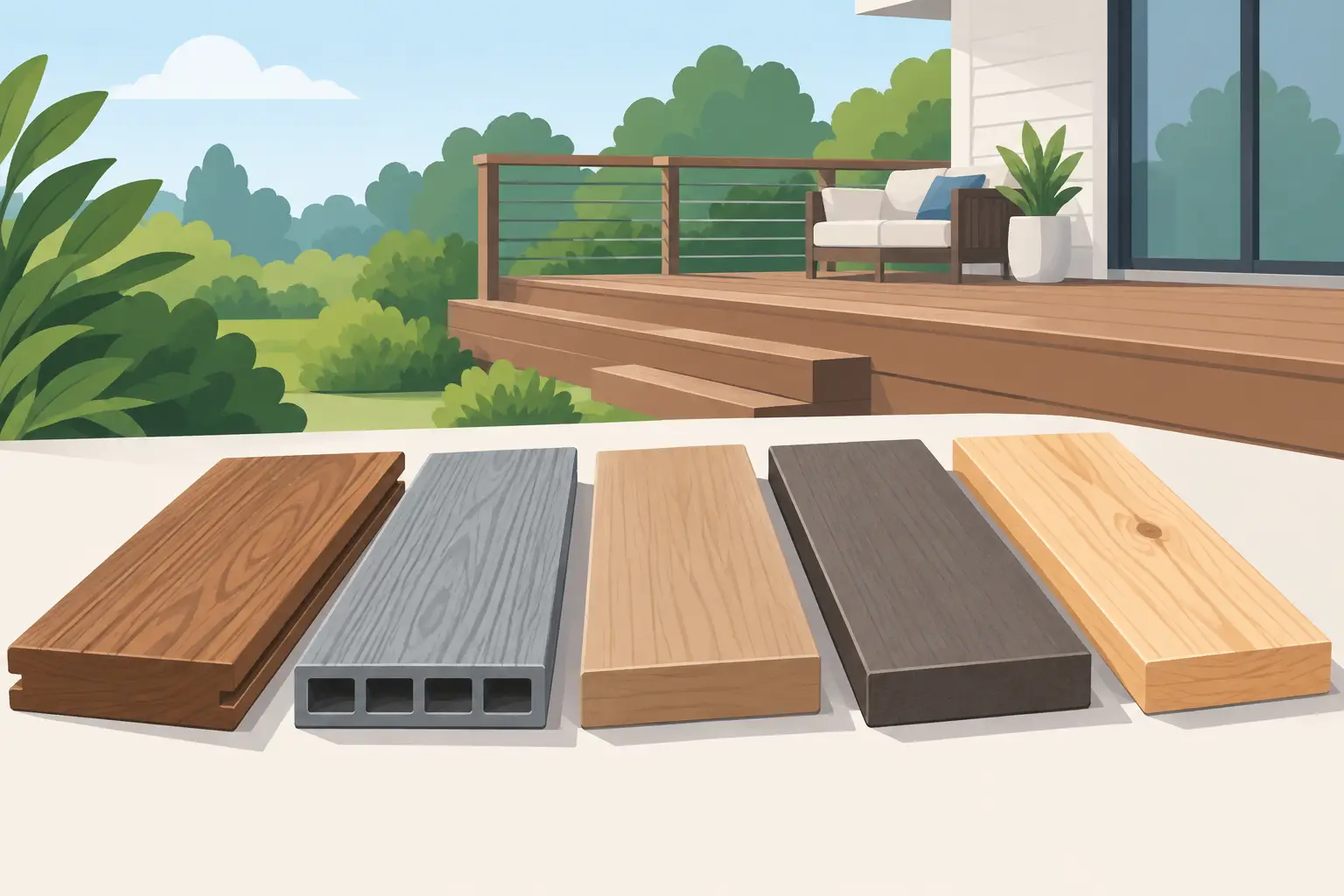
A new deck has to do more than look good on installation day. It needs to stand up to humid Maryland summers, freeze-thaw cycles, heavy rain, tracked-in mud, family gatherings, and the daily use that turns a backyard into a true living space. Knowing how to compare deck materials before construction begins helps you choose a surface that fits your home, budget, and expectations for years ahead.
The right answer is not always the least expensive board or the one with the most dramatic color sample. A dependable deck decision weighs upfront cost against maintenance, long-term appearance, comfort, safety, and the quality of installation. For many homeowners in Maryland and Washington, DC, the best choice comes down to pressure-treated wood, cedar or other natural wood, composite decking, or PVC decking.
Start by Comparing the Life You Want From Your Deck
Before narrowing down materials, consider how your family will actually use the space. A quiet platform outside a second-story door has different needs than a large entertaining deck with a grill, dining area, stairs, railings, and frequent foot traffic.
Think about sun exposure, shade, nearby trees, drainage, and access to the yard. A deck under mature trees may need a material that handles moisture and falling debris well. A south-facing deck may make heat retention and fading more important. If children, pets, or older family members will use the deck regularly, traction and splinter resistance deserve extra attention.
It also helps to decide whether you want a project that needs seasonal care or one that is designed for minimal upkeep. There is no wrong preference, but it should be clear before you compare prices. A lower initial investment can become more costly if you do not have the time or interest to clean, stain, seal, and repair it over the years.
How to Compare Deck Materials by Cost and Value
Deck material pricing should never be viewed as board cost alone. The structure, footings, framing, fasteners, stairs, railings, lighting, permits, and site conditions all affect the final investment. A trusted contractor can provide a clear, upfront estimate that separates the material choices from the complete scope of work.
Pressure-treated wood is often the most budget-friendly starting point. It is widely available, structurally sound when properly installed, and can be finished in many colors. For homeowners who want a traditional wood deck and are prepared to maintain it, pressure-treated lumber can offer strong value.
Composite decking generally costs more upfront, particularly premium lines from recognized manufacturers such as Trex and TimberTech. However, its long-term value can be compelling because it does not require routine staining or sealing. Many homeowners prefer knowing that their weekend plans will not include sanding and refinishing the deck every few years.
PVC decking is often positioned at the higher end of the price range. It can provide excellent moisture resistance and a clean, consistent appearance, especially in areas with frequent wet conditions. Natural wood species such as cedar may fall between pressure-treated wood and premium composite or PVC products, depending on availability and the selected grade.
The better question is not simply, “Which material costs less?” Ask, “What will this deck cost to own over the next 10 to 20 years?” That perspective includes maintenance products, labor, repairs, replacement boards, and the value of your time.
Compare Maintenance Requirements Honestly
Wood decks ask more of the homeowner. Pressure-treated lumber should be cleaned and protected with stain or sealer on a regular schedule. The exact timing depends on sun, moisture, and wear, but postponing care can lead to fading, checking, splintering, and surface deterioration. Wood can also be refinished, which is a benefit for homeowners who enjoy changing the color or restoring an older deck.
Cedar and other natural woods have a warmer, more distinctive grain than manufactured boards, but they still require maintenance. Without protection, wood naturally weathers to a silvery gray. Some homeowners like that look, while others prefer to preserve the original color with consistent sealing.
Composite decking is a practical choice for homeowners who want a polished outdoor space with less hands-on work. Regular cleaning with soap, water, and a soft brush is usually enough to remove pollen, dirt, and everyday spills. Capped composite boards have a protective outer shell that helps resist staining, fading, and moisture absorption.
PVC decking also has low maintenance needs and is especially resistant to moisture. It is a strong option around pools, shaded areas, or locations where standing water could be a concern. Like composite, it still needs routine cleaning. Low maintenance does not mean no maintenance, particularly in a Mid-Atlantic climate where pollen and leaf debris can collect quickly.
Consider Weather, Moisture, and Structural Performance
Maryland and DC homeowners need deck materials that can handle changing seasons. Rain, snow, humidity, and temperature swings put stress on every exterior surface. The decking board matters, but the framing underneath matters just as much.
Wood expands, contracts, and absorbs moisture. Proper spacing, fastening, flashing, and drainage are essential to help it perform well. A quality installation also uses the right fasteners to prevent premature corrosion and helps keep boards from holding water where they meet the house or framing.
Composite boards are more resistant to rot and insect damage than wood, but they can expand and contract with temperature changes. They must be installed according to the manufacturer’s specifications, including required gaps and approved fastening systems. PVC behaves similarly in that professional installation is critical to its appearance and long-term performance.
For any material, the deck frame should be designed for the selected product and local code requirements. Hidden damage often begins below the surface, where moisture reaches unprotected framing or where a poorly installed ledger board allows water against the home. Choosing a high-quality surface board will not correct shortcuts in the structure.
Look at Appearance, Color, and Design Flexibility
A deck should complement your home rather than compete with it. Wood offers natural variation, visible grain, and an authentic character that many homeowners appreciate. It can be stained in a wide range of colors, from warm cedar tones to rich browns and modern grays.
Composite and PVC decking offer more color consistency and often come in multi-tonal finishes that resemble hardwood or weathered wood. They can make it easier to coordinate a deck with existing siding, brick, stone patios, or a new fence. Many product lines also include matching fascia, trim, and railing options for a finished look.
Do not select color from a small sample alone. View larger boards outdoors in both direct sun and shade. A color that looks subtle inside can appear much lighter, warmer, or cooler once it is installed across a large deck. Consider how it will look next to your home’s exterior and whether it will hide pollen, dust, pet hair, and everyday traffic.
Compare Comfort and Safety Underfoot
Decking should feel as good as it looks. Wood can develop splinters and raised grain as it ages, especially without regular maintenance. It can also become slippery when wet or when algae builds up in shaded locations. Proper cleaning and a quality finish help, but they remain ongoing responsibilities.
Composite and PVC surfaces are generally splinter-free, which is appealing for barefoot families and homes with active children. Many boards are textured for better traction, though traction levels vary by product. If your deck will surround a pool, lead to a hot tub, or stay shaded for much of the day, ask about slip resistance and drainage.
Heat is another real consideration. Darker decking colors and some material types can become hot in direct summer sun. If your deck receives strong afternoon exposure, compare samples outdoors at the time of day you expect to use the space most. A lighter color, a pergola, shade structure, or thoughtful furniture layout may make the area far more comfortable.
Choose Installation Quality Along With the Material
The best deck material can disappoint when it is installed poorly. Board spacing, framing layout, stair construction, railings, drainage, and connections to the home all influence safety and durability. An experienced design-and-build contractor helps homeowners compare products in the context of the full project, not as an isolated board decision.
A-1 Fencing works with homeowners throughout Maryland and the Washington, DC area to plan outdoor spaces with quality materials, skilled workmanship, and clear recommendations based on the property. A free in-home consult and estimate gives you the chance to discuss your goals, see options, and get answers tailored to your backyard.
Your deck should fit the way you live now while remaining a smart investment for the years ahead. Bring photos, material samples, and a realistic wish list to your consultation, then choose the option that gives your family the most confidence every time you step outside.