
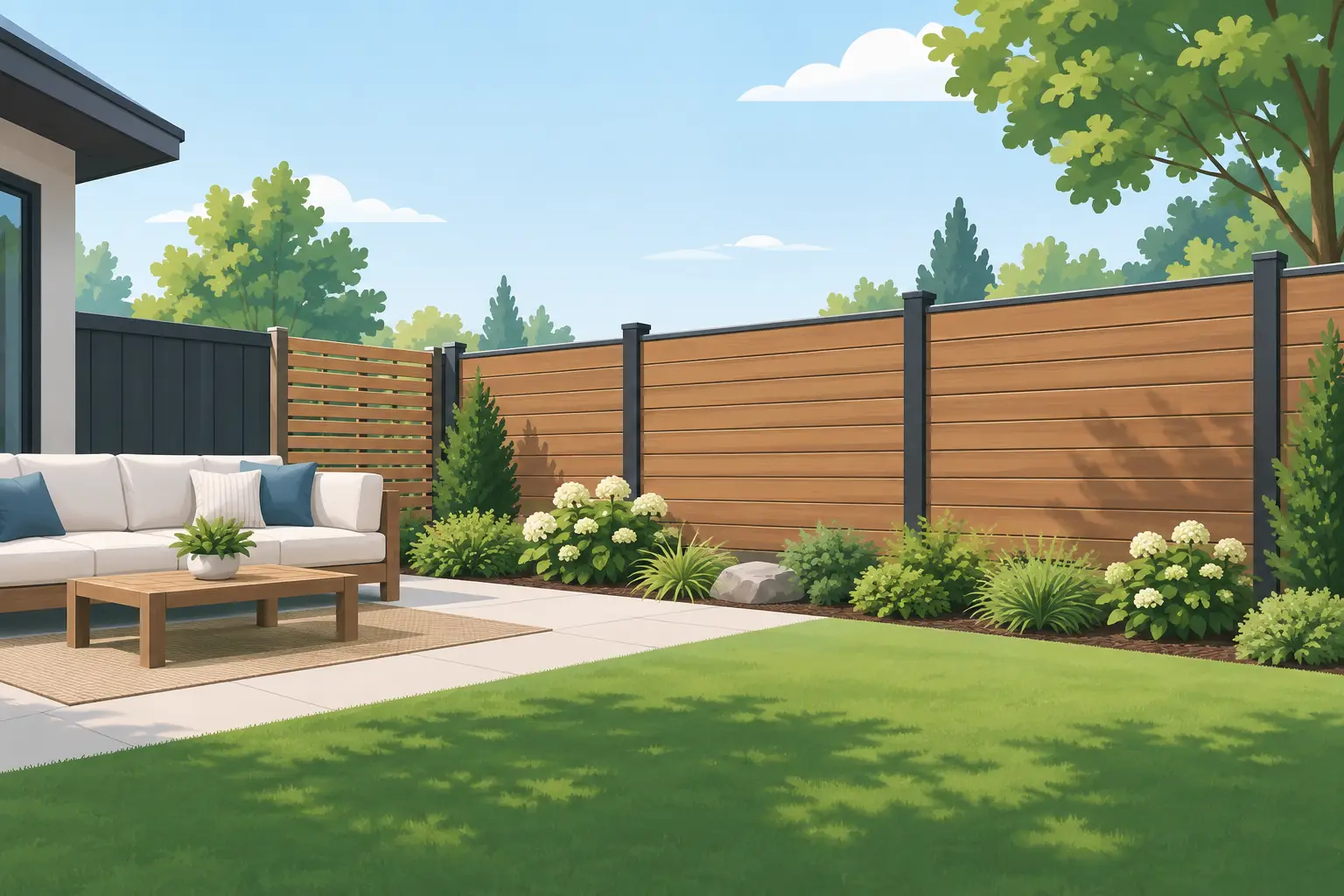
A fence is no longer just the line between your property and the next one. For many Maryland and Washington, DC homeowners, it is the backdrop for family cookouts, a layer of privacy around the patio, and one of the first details visitors see from the street. The best modern fence design trends bring those jobs together, creating boundaries that look intentional while standing up to busy households and changing Mid-Atlantic weather.
The right choice depends on how you use your yard, the character of your home, neighborhood requirements, and the level of maintenance you are willing to take on. A clean, contemporary look should never come at the expense of security, durability, or proper installation.
Modern Fence Design Trends That Add Lasting Value
Horizontal lines with a tailored look
Horizontal fence boards remain a popular choice for homeowners who want a more architectural appearance. Their long, clean lines can make a smaller yard feel wider and pair especially well with contemporary homes, renovated Colonials, and outdoor living spaces with crisp hardscape edges.
This style works beautifully in wood, composite, and certain metal-framed systems. Board spacing makes a major difference. Tight spacing creates stronger privacy, while a small, consistent reveal between boards allows light and air to move through the yard. A professional installer can help determine the right spacing without creating an unintended view into a neighboring property.
Horizontal fencing does require careful layout. Uneven ground, out-of-plumb posts, or poorly aligned boards are much more noticeable than they are on a traditional vertical fence. That is why craftsmanship matters as much as the design itself.
Warm neutrals and mixed materials
Bright white vinyl fences still have their place, particularly around traditional homes, pools, and open yards. But many homeowners are shifting toward warmer, more natural color palettes. Gray, black, bronze, cedar tones, and weathered wood-inspired finishes can make a fence feel less like a standard enclosure and more like part of the landscape.
Mixed materials are also gaining attention. A black aluminum fence can frame the perimeter while a privacy screen in composite or stained wood defines a patio area. Masonry columns may anchor a gate entrance, tying the fence into a retaining wall, walkway, or outdoor fireplace. The result is more customized, but it needs a cohesive plan so the materials complement rather than compete with one another.
For homeowners who want the look of wood without frequent staining, high-quality composite and vinyl options offer strong visual appeal with less upkeep. Materials from trusted manufacturers such as Trex, TimberTech, Ameristar, and Illusions can provide reliable choices depending on the style and performance goals of the project.
Dark aluminum for open views
Black aluminum fencing continues to be a smart option where visibility matters. It provides a defined property boundary without blocking a view of mature trees, a landscaped slope, a garden, or a pool area. Its slim profile looks current without feeling trendy, and it works with homes ranging from classic brick facades to modern additions.
Open-style fencing is not the answer for every yard. Families with close neighbors, active dogs, or a desire for complete backyard privacy may prefer a solid privacy fence in key areas. In many cases, the strongest design combines both: aluminum along a scenic or sloped edge and privacy fencing near a deck, patio, or seating area.
Privacy Fences Are Becoming Outdoor Room Walls
Homeowners are investing more in their backyards, and fences are increasingly part of that larger outdoor living plan. Instead of treating the fence as a separate project, consider how it will work with a deck, paver patio, fire pit, planting beds, or retaining wall.
A privacy fence behind a dining patio can create a more comfortable setting for entertaining. Decorative panels can screen equipment, trash storage, or an air-conditioning unit without making the yard feel closed in. A well-positioned gate can improve access for lawn care, pool service, or moving furniture between the driveway and backyard.
The most successful projects leave room for the landscape. A tall, solid fence paired with layered evergreens, ornamental grasses, and lighting feels welcoming rather than boxed in. If your yard is compact, using lighter fence colors or selective open sections can help preserve a sense of depth.
Gates that feel like part of the design
A gate should not be an afterthought. Modern gate designs often use the same board pattern, finish, and hardware as the main fence, making the entrance look integrated and secure. Wider gates are useful for equipment access, while self-closing or lockable options can add peace of mind around pools and play areas.
Quality hardware is especially important in the DC metro area’s changing seasons. Gates see frequent use, and a poorly supported gate can sag, drag, or fail to latch properly. The right post construction, hinges, and latch system help protect the appearance and function of the entire fence.
Low-Maintenance Materials Are Driving Design Decisions
A fence may look great the day it is installed, but homeowners should also think about how it will look after several summers of heat, rain, snow, and humidity. Low-maintenance materials are a major reason modern designs have become more practical for busy families.
Vinyl offers consistent color, easy cleaning, and strong privacy options. Composite can deliver richer texture and a wood-inspired appearance with less ongoing maintenance than natural wood. Aluminum resists rust and works well for open-style applications. Pressure-treated wood remains a flexible, cost-conscious choice, though it requires periodic care to maintain its appearance and performance.
There is no single best material for every property. Natural wood can be ideal for homeowners who value its character and are comfortable with staining or sealing. Composite may cost more upfront but reduce maintenance demands over time. Aluminum offers excellent visibility and elegance but will not provide full privacy on its own. A trusted contractor should explain those trade-offs clearly before the work begins.
Plan for Your Property, Not Just a Photo
Online inspiration can help you identify a look you like, but a fence must fit the conditions of your actual property. Slopes, drainage patterns, utility lines, mature roots, local codes, HOA rules, and property boundaries all affect the final design and installation approach.
For example, a stepped fence may suit a steep grade, while a racked aluminum fence can follow a slope more closely. A privacy fence near a retaining wall may need special post placement and careful coordination with drainage. In older neighborhoods, verifying the property line before installation can prevent expensive disputes later.
A thoughtful in-home consultation should cover more than material samples. It should address where privacy is needed most, how gates will be used, whether the fence connects to existing structures, and how the project could coordinate with future improvements. Homeowners often find it easier and more cost-effective to plan fencing alongside a new patio, walkway, or landscape upgrade rather than revisiting access and layout after the fact.
Choose a Fence Built for Everyday Life
The best modern fence is not simply the one that looks good in a project gallery. It is the one that gives your family the privacy, safety, curb appeal, and usable outdoor space you want without creating unnecessary maintenance or repair concerns.
A-1 Fencing helps homeowners throughout Maryland and Washington, DC turn those goals into well-built exterior projects with award-winning workmanship, quality materials, and clear upfront guidance. A free in-home consult and estimate is the right place to compare styles, discuss your property, and choose a fence design that will feel right every time you step into your backyard.