
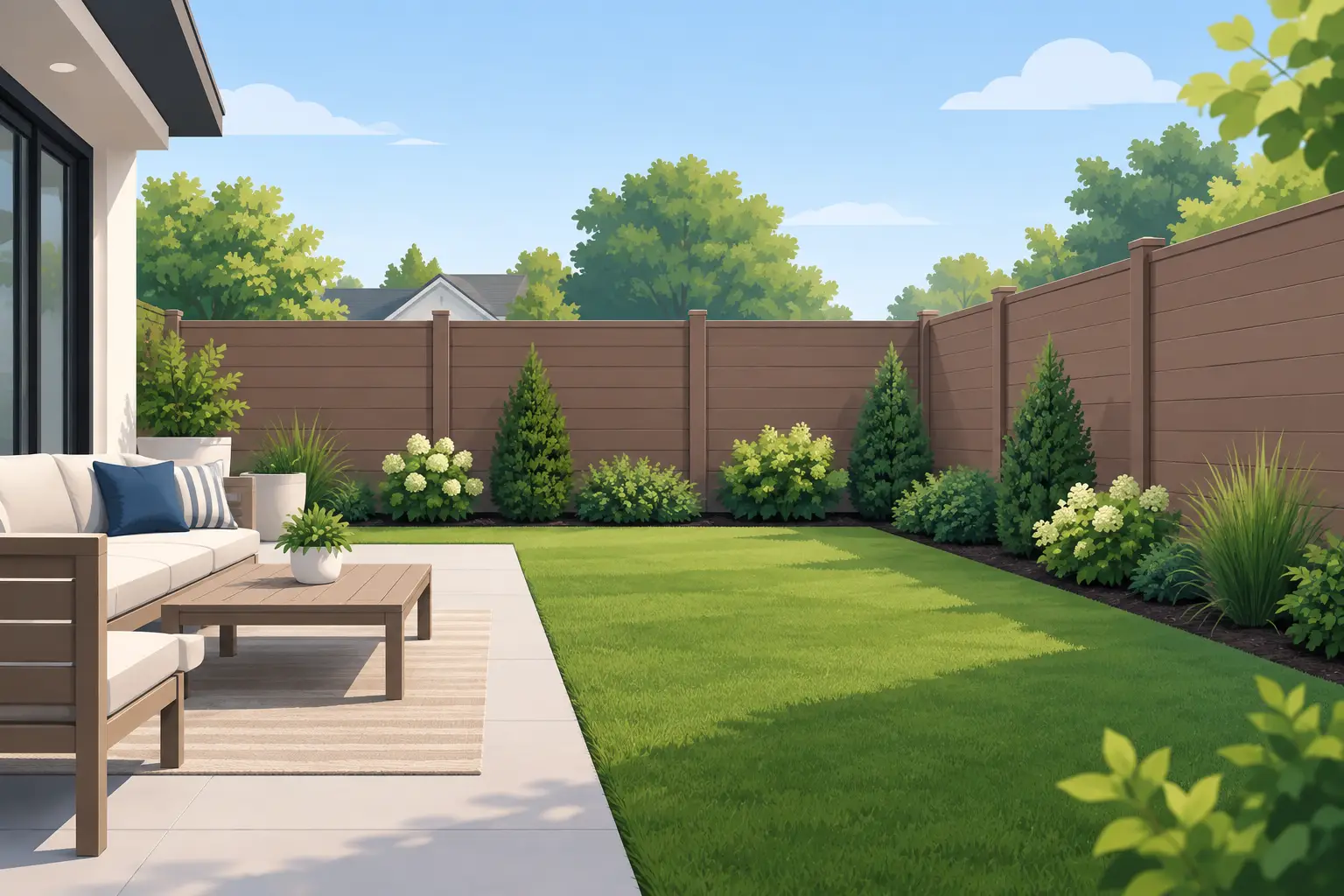
The best privacy fence backyard example is not simply a tall barrier around the property line. It is a fence that makes the yard feel more useful: a safe place for children and pets, a quieter setting for dinner on the patio, and a more private view from the home. For Maryland and Washington, DC-area homeowners, the right design also needs to stand up to changing weather, fit the character of the neighborhood, and look intentional from every angle.
A professionally planned privacy fence can do all of that without making your yard feel boxed in. The difference comes down to material, height, layout, gate placement, and the details that turn a basic enclosure into a lasting property improvement.
A Privacy Fence Backyard Example That Feels Open
Picture a typical backyard with neighboring homes close behind it and an exposed patio near the rear door. A six-foot solid-board fence runs along the side and back property lines, creating a private perimeter without overtaking the landscape. The fence boards are installed vertically in a warm natural wood tone or a clean, low-maintenance vinyl color that complements the home siding.
Rather than placing the gate wherever there happens to be room, the design includes a wide, sturdy gate near the driveway or side yard. That gives homeowners practical access for lawn equipment, trash bins, furniture deliveries, and future hardscape work. A second, smaller walk gate may be useful when the yard connects to a side entrance or detached garage.
Inside the fence line, planting beds soften the structure. A patio, deck, fire pit, or walkway has a clear sense of enclosure, yet the yard still feels spacious because the fence follows the property boundaries cleanly. This is a common approach for families who want privacy for everyday living without losing usable square footage.
The lesson from this privacy fence backyard example is simple: privacy should support the way you use the yard. A fence is most valuable when it improves both the view and the function.
Start With the Right Level of Privacy
Not every backyard needs the same type of screening. If a neighbor’s second-story windows overlook the patio, a standard six-foot fence may provide ground-level privacy but not complete visual separation. In that situation, a homeowner may combine fencing with thoughtfully placed trees, shrubs, pergola features, or a privacy screen around the main seating area.
If the concern is a busy street, alley, or shared access area, solid fencing can reduce visual distractions and create a stronger boundary. It will not eliminate all sound, but a well-built fence can make the space feel calmer and more protected. For a pool area, privacy also becomes part of safety planning, with gate hardware and code requirements deserving close attention.
Local rules matter. Height restrictions, property-line requirements, homeowner association standards, and permit needs can vary by community. An experienced contractor should review these factors before installation begins, rather than leaving homeowners to discover a limitation after materials have been ordered.
Choose a Material That Matches Your Priorities
Wood, vinyl, and ornamental options can all serve a purpose, but each creates a different result. The best choice depends on how much maintenance you want, the architecture of the home, your budget, and how long you expect the fence to perform.
Wood Privacy Fencing
Wood remains a favorite for homeowners who want a traditional, natural appearance. It works especially well around established Maryland properties, where mature trees and garden beds benefit from the warmth of a wood fence. Board-on-board designs offer excellent coverage while allowing the fence to breathe, and shadowbox styles provide a finished look from both sides.
The trade-off is maintenance. Wood needs periodic staining or sealing to maintain its appearance and help protect it from moisture, sun exposure, and seasonal movement. Quality posts, proper installation depth, and well-selected lumber make a major difference in how a wood fence ages.
Vinyl Privacy Fencing
Vinyl is a strong choice for homeowners who want a clean appearance with less ongoing upkeep. It does not require painting or staining, and quality vinyl fencing can maintain its color and finish for years with routine cleaning. White remains popular, but tan, gray, and wood-grain-style options can better complement certain homes and outdoor living spaces.
Vinyl is not the right answer for every property. Its appearance is more uniform than wood, and lower-grade products can become brittle or look thin over time. Selecting high-quality materials and professional installation is essential, particularly in areas with wind exposure or uneven terrain.
Combining Privacy With Decorative Details
A full solid panel is not the only way to create privacy. Lattice tops, spaced accents, scalloped or arched profiles, and framed panels can add character while keeping the yard screened. These details work well when a fence is highly visible from the home, patio, or street.
For homeowners investing in a new deck, patio, retaining wall, or outdoor fireplace, coordinating fence color and style with the larger project creates a more finished result. That is often more effective than treating the fence as a separate afterthought.
Layout Details That Prevent Everyday Frustration
A privacy fence needs to look good, but it also has to work on an ordinary Tuesday morning. Gate placement is one of the most overlooked decisions. A gate that is too narrow, poorly located, or built with weak hardware can become a daily annoyance. Consider where equipment enters the yard, where guests arrive, and whether future projects might require wider access.
Sloped yards require equal care. Stepped panels can follow a grade cleanly when the slope is more significant, while racked fencing can follow a gradual incline. The right approach depends on the fence material, the severity of the slope, and whether gaps below the fence could create an issue for pets or privacy.
Posts are another critical detail that homeowners may not see after installation. A fence relies on a properly prepared foundation. Posts need appropriate depth, accurate spacing, and secure setting methods for the soil and conditions on the property. Cutting corners here may lead to leaning sections, sagging gates, and premature repairs.
Make the Fence Part of the Outdoor Living Plan
The most successful backyards are designed as connected spaces. If you are considering a patio or deck, plan the fence at the same time. This helps define the footprint of entertaining areas, protect views where privacy matters most, and avoid rebuilding sections later when a new hardscape feature is added.
For example, a homeowner may place a patio close to the house for convenient dining, then use a privacy fence to frame the outer edge of the yard. A gate near the patio can create an easy route to the front or side of the home. If a fire pit is planned farther back, the fence can establish a comfortable, sheltered setting without crowding the seating area.
This coordinated approach also makes budgeting easier. You can prioritize the perimeter fence now while planning for a future deck, walkway, or retaining wall that fits the same layout. A contractor with both fencing and hardscape experience can help identify those opportunities before work begins.
Questions to Ask Before You Approve a Fence Design
Before choosing a final design, ask how the fence will be built, not just what it will look like in a photo. Confirm the proposed material quality, post installation approach, gate construction, estimated timeline, and whether the quote accounts for removal of an existing fence. If your lot has slopes, mature trees, utility lines, drainage concerns, or tight access, discuss them early.
It is also wise to ask how the finished side of the fence will face. In many neighborhoods, the more polished side is expected to face outward toward neighbors or public areas. A professional design can meet those expectations while keeping the interior view attractive as well.
A-1 Fencing provides free in-home consultations and estimates for homeowners who want clear guidance before making that investment. The goal should be a fence that fits your property, your lifestyle, and your long-term plans, not a one-size-fits-all panel layout.
A well-designed privacy fence changes how a backyard feels the moment you step outside. Choose materials and details that will still serve your family well years from now, then let skilled installation turn that plan into a yard you will be proud to use every day.