
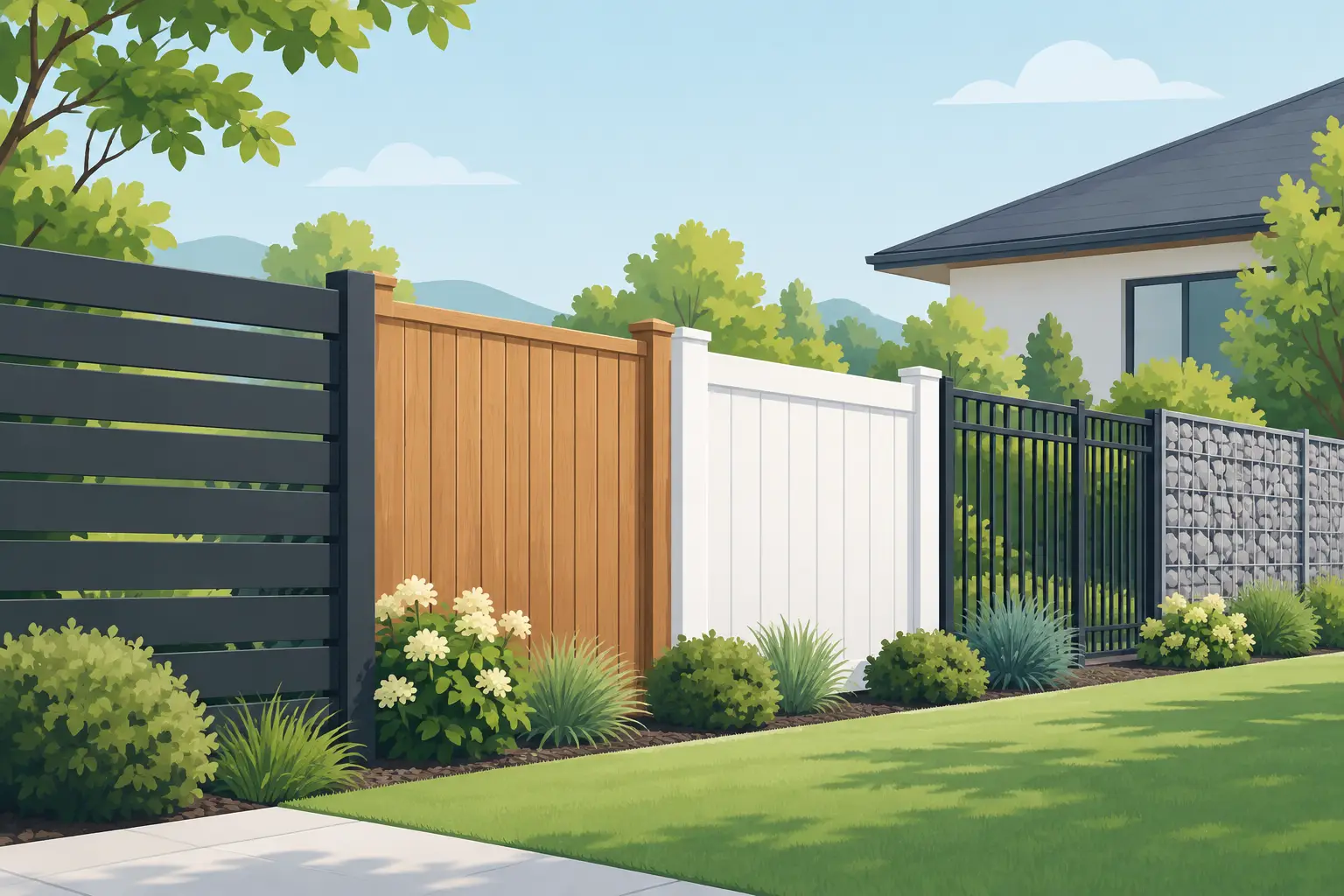
A fence is often the first thing neighbors see and the last thing homeowners want to replace. That is why the strongest fence trends for 2026 are not about chasing a look that will feel dated next season. They are about creating privacy, defining outdoor spaces, improving security, and choosing materials that stand up to Maryland heat, rain, humidity, and winter weather without demanding constant attention.
For homeowners in Montgomery County, Howard County, and the Washington, DC area, the right fence should work as hard as the rest of the property. It may need to contain pets and children, screen a busy street, frame a new patio, or make a backyard feel more finished. The best design begins with those daily needs, then adds style that complements the home.
Fence Trends Shaping Maryland and DC Backyards
Privacy fencing is becoming more intentional
Privacy remains the leading reason homeowners install a new fence, but solid panels are no longer the only answer. Homeowners are asking for privacy that feels tailored to the property rather than closed in. Taller privacy fences, carefully planned gate locations, and panel layouts that block specific sightlines can make a meaningful difference on narrow lots and near active roads.
Board-on-board wood fencing continues to be a popular choice because its overlapping pickets reduce visible gaps as the wood naturally expands and contracts. For a more contemporary finish, some homeowners choose a horizontal layout. Horizontal fencing creates a clean, architectural line that can make a backyard feel wider, especially when it is paired with modern landscaping, a patio, or a fire pit area.
There is a trade-off. Horizontal wood fencing generally requires more labor and may cost more than a standard vertical picket design. It also needs proper spacing, framing, and drainage to remain straight and attractive over time. A quality installation matters as much as the material itself.
Low-maintenance materials are earning their place
The desire for less upkeep is one of the most practical fence trends homeowners are embracing. Vinyl fencing remains a strong choice for families who want a clean, polished look without routine staining or painting. It resists rot and insect damage, and it is available in styles ranging from traditional white privacy panels to warmer neutral colors.
Composite fencing is also gaining attention where homeowners want the appearance of wood with reduced maintenance demands. Its color options and finished appearance can complement decks, patios, and upscale outdoor living areas. Black aluminum and steel fencing continue to be favorites for pool enclosures, pet containment, and properties where homeowners want security without blocking views.
No material is right for every job. Wood offers natural character and flexible customization, but it needs periodic care. Vinyl is easy to maintain, but it can be less forgiving if a section is damaged by a fallen limb or impact. Metal fencing provides visibility and a refined profile, yet it does not provide privacy on its own. The smart approach is to select the material based on how the fence will be used, not simply what is popular online.
Black metal fencing adds a clean, lasting contrast
Black aluminum fencing has moved well beyond a purely functional boundary. It provides an elegant, understated frame for landscaped yards, stone walkways, gardens, and pool areas. Against brick, siding, natural stone, or mature greenery, black fencing creates definition without competing with the home.
This style is especially effective on sloped properties because aluminum panels can often follow the grade more gracefully than rigid materials. It also allows homeowners to preserve views of a wooded edge, a garden, or a well-designed hardscape. For homes with dogs, the picket spacing and gate design should be selected carefully to keep pets secure while maintaining the open appearance that makes metal fencing appealing.
Mixed materials create a more custom look
A growing number of homeowners are moving away from the idea that every fence line must use the same style. Combining materials can solve practical problems while giving a property a more considered design. A privacy fence along a neighbor-facing boundary, for example, can be paired with black aluminum fencing along the rear of the yard where preserving a view matters more.
Masonry columns, stone accents, and upgraded gates can also make a fence feel connected to the home and surrounding outdoor space. This is where planning a fence alongside a patio, retaining wall, walkway, or deck can pay off. Materials, colors, elevations, and access points can be coordinated before construction begins instead of treated as separate projects later.
Mixed-material designs should be purposeful. Too many colors or decorative elements can make a yard feel busy. The best projects use one or two complementary finishes and repeat them in a way that feels consistent from the front gate to the backyard entertaining area.
Gates Are Becoming a Priority, Not an Afterthought
A well-built gate affects how a fence performs every day. Homeowners are placing more emphasis on wider access gates for lawn equipment, double gates for vehicles, self-closing pool gates, and walk gates that are convenient without interrupting the look of the fence.
For families, a secure latch and reliable gate alignment are essential. For homeowners who entertain outdoors, a thoughtfully located gate can make it easier for guests to move between a driveway, patio, and backyard. On a property with a new fire pit, outdoor kitchen, or garden, access should be considered early so the finished space is easy to use and maintain.
Gates are also the area most likely to show the effects of poor installation. Posts need proper depth and support, hardware needs to match the gate’s weight, and the opening must account for settling and seasonal movement. A gate that drags or will not latch properly becomes frustrating quickly, regardless of how attractive the fence looks on installation day.
Natural Colors Are Replacing One-Note Designs
Bright white vinyl and natural wood will always have a place, but more homeowners are considering warmer, softer colors that blend with the property. Tan, khaki, gray, black, and wood-inspired composite finishes can coordinate with darker rooflines, modern siding, stone veneer, and stained decking.
The goal is not to make the fence disappear. It is to give it a color that will continue to look appropriate as landscaping matures and exterior finishes evolve. A darker fence can make green plantings stand out, while a lighter fence can brighten a shaded yard. Before deciding, homeowners should consider how the color will look from both their own home and the street.
Wood remains a strong option for homeowners who want a natural finish that can be stained to complement existing features. It is also easy to repair one section at a time. The long-term commitment is maintenance, particularly in humid Mid-Atlantic conditions. Proper sealing and timely repairs help protect the investment.
Design Must Account for Local Rules and Real Conditions
A fence that looks perfect in a photo may not work on a specific lot. Property lines, easements, utility locations, drainage, HOA requirements, pool codes, and local height regulations all shape what can be built. Slopes, tree roots, and retaining walls can also change the installation approach and cost.
This is why an in-home consultation is more valuable than selecting a style from a catalog alone. An experienced contractor can evaluate the grade, identify access challenges, discuss material options, and help homeowners plan a fence that meets both visual and practical goals. Accurate upfront pricing should account for the full scope of work, including gates, removal of an existing fence, and any site conditions that may affect installation.
For homeowners planning more than a fence, working with one design-and-build team can reduce the frustration of coordinating multiple contractors. A-1 Fencing can help connect fencing decisions with decks, patios, retaining walls, walkways, and outdoor fire features so the finished property feels planned rather than pieced together.
Choose a Fence That Still Fits Your Life Five Years From Now
The most successful fence projects are built around the way a household lives now and the way it may live later. A young family may need secure boundaries for children and pets. A homeowner with a newly renovated backyard may want privacy around a patio. Someone preparing to sell in a few years may prioritize curb appeal and a clean, durable material that reassures future buyers.
A trend can provide inspiration, but it should not override function, local requirements, or quality craftsmanship. The right fence is one that feels natural on the property, operates reliably every day, and gives homeowners more comfort and confidence in the outdoor space they have invested in. A free in-home consult and estimate is a practical first step toward making that decision with clear expectations.