
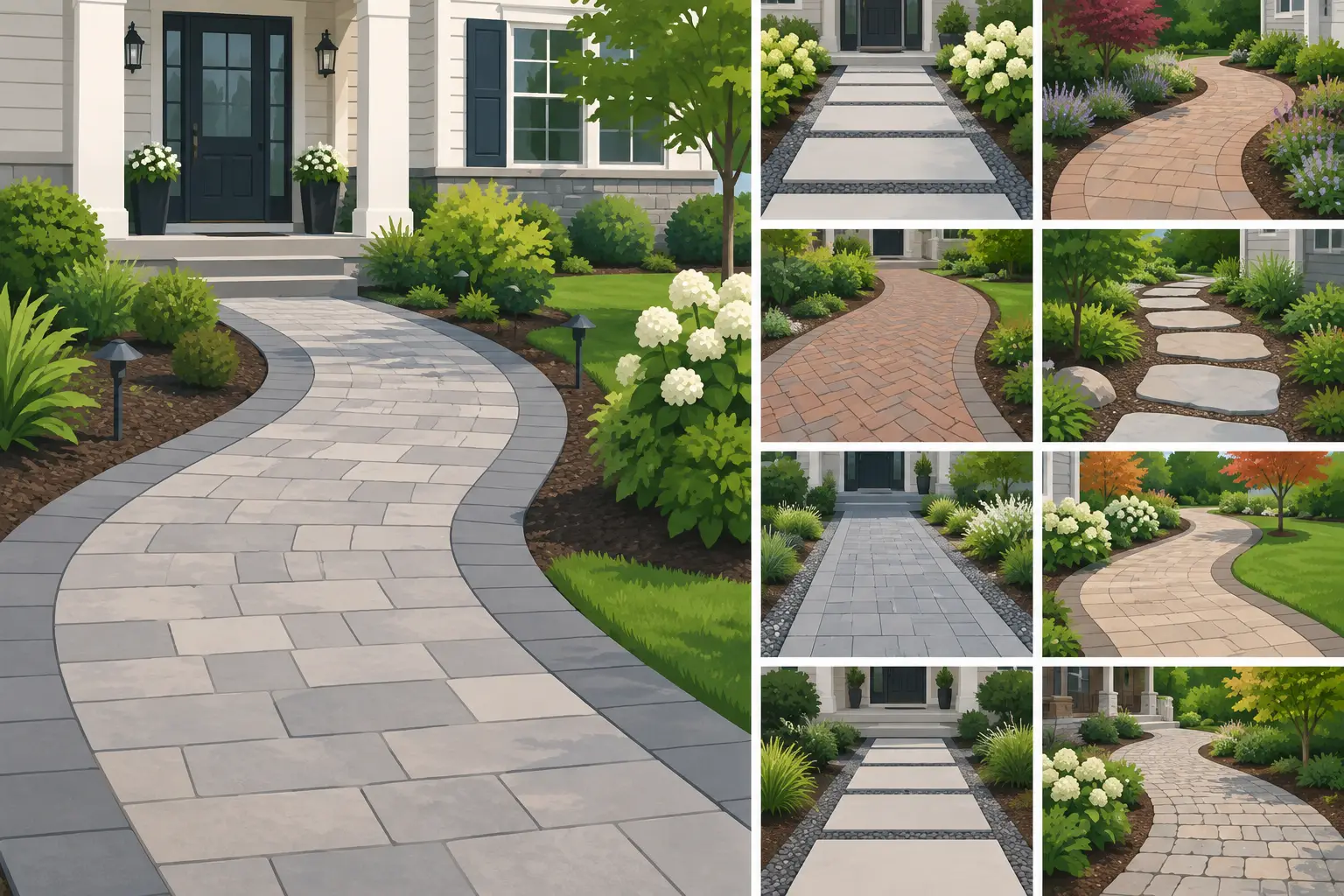
A front walk should do more than get guests from the driveway to the door. The right walkway paver design ideas create a welcoming first impression, solve muddy or worn traffic paths, and connect your home to patios, gates, gardens, and outdoor living spaces. For Maryland and Washington, DC homeowners, material selection and installation details also matter because freeze-thaw weather, heavy rain, and shifting soils can test a poorly built path.
A professionally planned paver walkway gives your property a finished look while delivering the durability needed for everyday use. The best design is rarely the most complicated one. It is the one that fits how your family moves through the yard, complements the home, drains properly, and holds up for years.
Start With How the Walkway Will Be Used
Before choosing paver color or pattern, consider where the walkway begins and ends. A direct front walk may need to comfortably accommodate two people walking side by side. A garden path can be narrower and more relaxed. A side-yard walkway may need enough room for trash bins, lawn equipment, or access to a gate.
Most primary walkways feel comfortable at four feet wide, while a secondary path can often work at three feet. If the path leads from a driveway to a backyard patio, think beyond foot traffic. A slightly wider route is easier when carrying groceries, moving furniture, or walking beside a child or pet.
The layout should also respect the way people naturally travel. A path that forces an awkward turn across the lawn often gets ignored. A well-designed walkway follows a practical route while creating a deliberate visual connection between the house and the landscape.
10 Walkway Paver Design Ideas That Add Lasting Value
1. A straight front walk with a soldier-course border
A straight paver walkway is clean, formal, and especially effective for colonial, traditional, and brick-front homes. Use a field pattern in the center, then frame it with a contrasting border made from pavers set lengthwise. This soldier-course border defines the edges and gives the walkway a more custom appearance without making the design overly busy.
A charcoal border around warm gray, tan, or blended earth-tone pavers is a popular choice because it coordinates with many siding, stone, and brick colors.
2. A gently curved garden path
Curves soften a landscape and work well when a walkway moves through planting beds, around mature trees, or toward a patio or fire pit. The curve should feel intentional, not overly winding. Broad, gentle arcs are easier to walk, easier to maintain, and more natural-looking than tight turns.
This option gives homeowners room to add low plantings, landscape lighting, or decorative boulders along the edges. It is a strong choice for backyards where the walkway is part of the outdoor living experience rather than simply an entrance route.
3. Large-format pavers for a contemporary home
Large rectangular pavers create a crisp, modern appearance with fewer visible joints. They pair well with contemporary siding, black metal fencing, clean-lined decks, and minimalist planting plans. A running-bond or stacked pattern can keep the design orderly and sophisticated.
The trade-off is that large-format pavers require careful base preparation. Because each paver is more visually prominent, uneven settling is easier to notice. Experienced installation is particularly valuable when the design relies on clean lines and tight alignment.
4. Mixed-size pavers for a natural stone look
For homes with stone veneer, brick accents, or a more traditional landscape, mixed-size pavers offer texture and depth. A three-piece or multi-piece pattern avoids the repetitive appearance of a single-size layout while still providing the dependable performance of manufactured pavers.
Blended colors in tan, brown, charcoal, and muted red can tie the walkway into existing exterior materials. The key is restraint. Choose a blend that supports the home instead of competing with it.
5. A walkway that matches the patio
Repeating patio materials along a connecting path creates a more cohesive outdoor design. If your backyard includes a paver patio, carrying the same paver color or border detail into the walkway makes the entire space feel planned rather than added in stages.
The walkway does not need to use the exact same pattern. Using the patio’s border color as the walkway field, or reversing the colors, can create continuity while giving each area its own identity.
6. Stepping pavers with gravel joints
Wide, spaced pavers set in decorative gravel create a relaxed, modern garden-path look. This approach works best in low-traffic areas, such as a route from a patio to a fire pit or from a deck to a seating area. It is less practical for a main entrance path, where heels, strollers, snow shovels, and frequent use call for a solid surface.
For Maryland properties, proper edging and a stable base are still essential. Gravel can migrate without containment, and the underlying surface must be graded to avoid puddling.
7. A contrasting inlay at the entrance
A modest inlay near the front steps can make a standard walkway feel more distinctive. Consider a rectangular band, a simple diamond, or a change in paver direction to mark the transition from walkway to landing. This detail is especially useful when the front entry needs more visual presence but a full porch renovation is not planned.
Keep the inlay simple and proportional to the walkway. A small detail tends to look more timeless than an elaborate pattern that overwhelms the approach to the home.
8. Pavers that transition into driveway borders
When a walkway runs beside the driveway, a coordinated paver border can visually organize the entire front yard. The border separates vehicle space from pedestrian space and brings more curb appeal to a plain asphalt or concrete driveway.
This design requires attention to elevation and water flow. The pavers should not create a dam that directs runoff toward the home or garage. A qualified hardscape contractor can plan the grades so the finished look supports drainage instead of creating a future problem.
9. A side-yard utility walkway
Side yards are often overlooked until rain turns them into a muddy route between the front and back of the house. A practical paver walkway in this area protects the lawn, improves access to gates and storage, and makes routine tasks easier year-round.
Choose a durable, simple pattern that complements the home without spending heavily on decorative features that will rarely be seen. A clean border, neutral paver blend, and proper drainage usually provide the best return in this hardworking location.
10. Low-voltage lighting built into the plan
Walkway lighting adds safety and makes the home more inviting after dark. Fixtures can be placed along planting beds, at key turns, near steps, or beside the front entry. The goal is to guide movement and highlight the path, not flood the yard with bright light.
Plan lighting before paver installation whenever possible. This allows wiring routes, fixture locations, and future access to be considered before the finished surface is in place.
Choose Colors and Patterns That Belong With the House
The best paver color is usually found by looking at the fixed elements already on the property: brick, siding, roof shingles, stone, shutters, and existing hardscapes. Gray pavers can look sharp against white, blue, and modern black-accent homes. Warm tans and browns often complement natural stone, beige siding, and traditional brick. Multi-color blends can be forgiving around dirt and leaves, but they should not look disconnected from the home’s palette.
Pattern affects both appearance and maintenance. Running bond is a dependable choice for narrow walks because it creates direction and is easy on the eye. Herringbone provides a more traditional, high-detail look and offers excellent interlock. Random ashlar patterns add texture but need thoughtful layout to avoid an overly busy result.
The Details Beneath the Pavers Matter Most
Even the most attractive paver design can fail if the base is not properly built. A walkway needs excavation, compacted aggregate, a bedding layer, edge restraints, and joints finished to help hold the system together. It also needs a grade that moves water away from the home.
This is not the place to cut corners. In our regional climate, water that settles beneath the pavers can contribute to movement during winter freeze-thaw cycles. Proper preparation helps prevent sunken areas, loose edges, and uneven surfaces that become trip hazards.
A-1 Fencing can help homeowners coordinate a new paver walkway with patios, retaining walls, gates, fencing, and other exterior improvements through one experienced design-and-build team. A free in-home consult and estimate gives you the opportunity to discuss materials, layout, drainage concerns, and a project budget before work begins.
The right walkway should make every trip across your property feel easier, safer, and more intentional – from the first guest at your front door to the last quiet walk out to the patio.